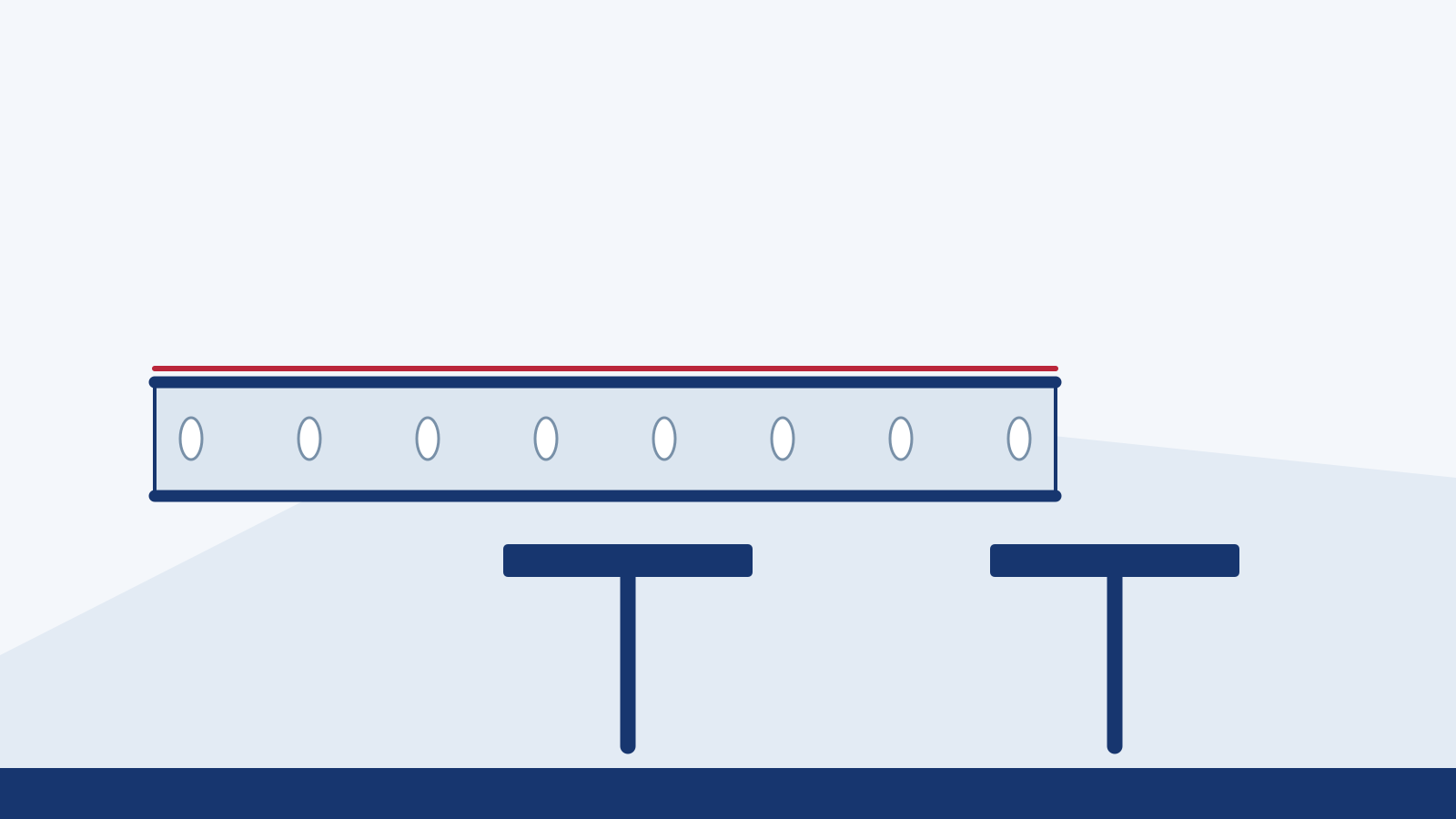
“Galvanized steel cable tray” sounds like a complete material specification. It is not. The phrase tells you that zinc protects a steel tray, but it does not tell you how the zinc was applied, whether fabricated edges and welds were coated, or whether the assembly is suited to the environment in which it will operate. Those differences matter when a buyer compares offers that look similar on a product list.
The useful question is not simply whether a tray is galvanized. It is which finish the proposed tray and its fittings have, where they will be installed, and what evidence supports that choice. A sensible selection also checks load, span, supports and site treatment separately. This guide turns those checks into a specification that a manufacturer can answer and a project team can inspect.
Galvanizing applies a zinc coating to steel. Zinc provides a protective barrier and can protect nearby exposed steel where a small area of coating is interrupted. In cable management, however, “galvanized” is often used as shorthand for more than one manufacturing route. It can describe steel sheet coated before it becomes a tray, or a fabricated tray dipped into molten zinc afterwards. Those routes do not leave every surface in the same condition.
Start by asking for the finish process, rather than accepting a one-word finish label. Then identify exactly what the quoted product comprises: straight lengths, bends, tees, reducers, covers, splice plates, fasteners and supports. A zinc-coated straight length does not prove that every accessory carries the same finish. The answer should be traceable to the actual supplied configuration, not to a general category description.
This distinction is especially useful when a schedule combines products from several sources. If the tray, connector and support have different coatings or materials, the project team needs to assess the assembly as a whole. Keep the finish decision separate from the structural decision: neither the colour nor the presence of zinc establishes the allowable load or support spacing.
Pre-galvanized tray begins as coated sheet. The manufacturer cuts, punches and forms that sheet into a cable tray. This can be a practical choice for many controlled indoor applications, but fabrication may expose edges or affect coating continuity at worked features. The actual exposure and the supplier's product detail determine whether those features need attention. Do not assume that every cut edge has been given a subsequent coating.
Hot-dip galvanizing after fabrication treats the finished steel article in a zinc bath. Because dipping follows fabrication, the process can coat accessible fabricated surfaces, edges and welds. It is often considered for more demanding exposure, yet “hot-dip” alone is not a universal outdoor warranty. Coating condition, local environment, drainage, handling damage and the project specification still matter. Ask for the applicable coating standard and documentation for the specific product.
The two routes should be compared against the same installation conditions. For example, an indoor plant room with controlled humidity and an outdoor route close to marine salts present different exposure questions. A buyer who sees identical dimensions should not treat the finishes as interchangeable without examining the route, the accessories and the maintenance context. Conversely, specifying a more substantial finish by habit can add cost without solving an unexamined design problem.
Put the distinction into the purchase request: “State whether the tray is made from pre-coated sheet or hot-dip galvanized after fabrication; identify the finish on each fitting and support; provide the applicable coating specification.” That produces an answer a project engineer can check, rather than another ambiguous “GI” entry on a quotation.

Conceptual visual; confirm the exact selected system.
| Question | Pre-galvanized sheet | Hot-dip after fabrication |
|---|---|---|
| When is zinc applied? | Before cutting and forming | After the steel article is fabricated |
| What needs checking? | Worked edges and the finish of supplied accessories | The documented coating on the finished item and any later site damage |
| What is not established by the label? | Suitability for a particular exposure or load | A guaranteed service life or structural rating |
Exposure is not a single indoor-versus-outdoor switch. Consider condensation, washdown, chemicals, salt-bearing air, temperature changes and whether water can remain on the tray. A sheltered outdoor installation can still experience moisture, while an indoor industrial process can create a demanding local atmosphere. The route may pass through several zones; record the worst relevant zone and any transition where the finish needs to change.
Ask the project engineer or owner to identify the environmental classification and design-life expectation used by the project. The manufacturer can then explain which of its documented finishes fits those assumptions. If the environment is uncertain, state the uncertainty rather than claiming a zinc finish will last a specific number of years. Corrosion performance depends on exposure and coating characteristics, not on the category name alone.
Accessibility also changes the decision. A visible run that can be inspected and maintained presents a different risk from a concealed or difficult-to-replace installation. The team should agree how damaged coating will be repaired, how the route will be inspected and whether local site rules require a different material or finish. This is a design and maintenance decision, not a marketing comparison of “best” coatings.
For each route, a short schedule can record location, relevant exposure, selected finish, known exceptions and the evidence accepted. That schedule lets a reviewer understand why one tray was selected for a dry equipment room and another for a wet service area without reconstructing the discussion months later.

Conceptual visual; confirm the exact selected system.
Cable tray is often altered during installation. A contractor may shorten a length, drill a hole or adjust a fitting. These changes create a practical question: what treatment does the project require for newly exposed steel, and who checks it? The answer depends on the coating route and the approved installation instructions. A repair method for a damaged hot-dip galvanized coating should not automatically be applied to every pre-coated product without checking its specification.
For hot-dip galvanized articles, recognised repair approaches include zinc-rich paint, zinc-based solder and zinc spraying, subject to the applicable standard and project requirements. The important control is not memorising one preferred product; it is specifying the allowable method, preparation, acceptance criteria and inspection record before site work starts. A badly prepared repair is not made reliable by being called “zinc-rich”.
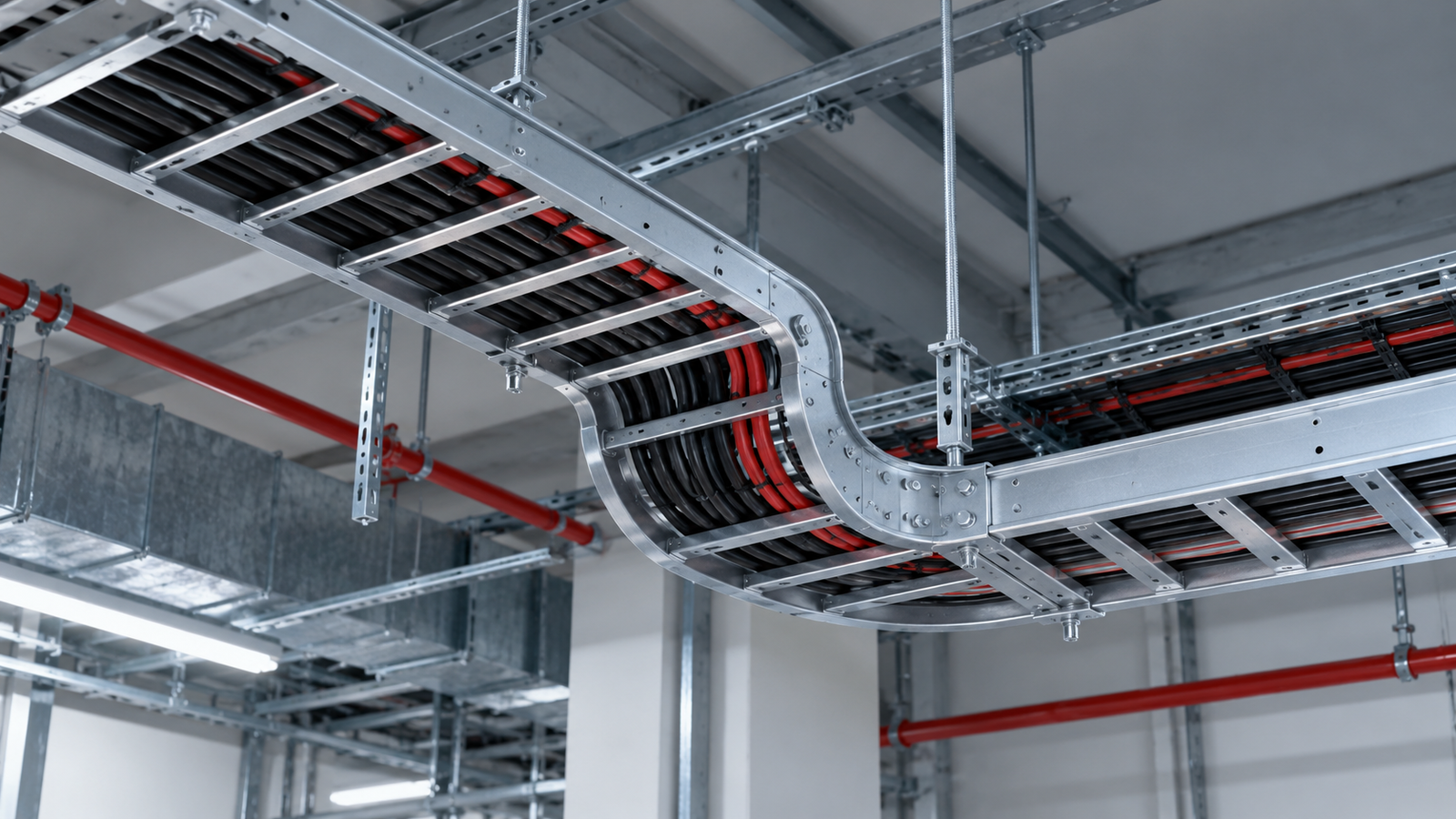
Also examine joints and accessories. A bend or tee may be supplied in a different process from a straight length. A splice plate can introduce exposed edges and contact surfaces. Fasteners and supports need their own material and finish information, particularly where unlike materials meet or where trapped moisture is plausible. Request an assembly schedule rather than assuming that “matching” means technically equivalent.
At handover, the inspection can check visible damage, cut-edge treatment, fitted components and any project-specific continuity or bonding requirements. Record exceptions while the installation is accessible. That makes later maintenance possible without guessing what was supplied or repaired.

Conceptual visual; confirm the exact selected system.
Finish selection cannot substitute for structural selection. A galvanized tray may be offered in different widths, depths, material thicknesses and load classes. The maximum cable load includes the planned cables and a justified allowance for future capacity, where the project requires one. Support spacing, fittings, concentrated loads and installation orientation influence what an actual route can carry. A finish description says nothing reliable about those figures.
Ask for load-versus-span data for the exact tray configuration and the conditions under which it was tested or calculated. Compare that data with the proposed support spacing, not just the tray width. A route with a wide tray at a longer span can behave differently from the same product at closer supports. Likewise, a heavily loaded bend or vertical section should not be assumed to inherit the straight-run rating without manufacturer guidance.
The support system deserves its own check: bracket capacity, anchor design, spacing, corrosion exposure and compatibility with the tray. If the project involves unusual vibration, dynamic loads or seismic provisions, refer that design to the responsible engineer and ask the manufacturer for the relevant evidence. Do not turn a catalogue load number into a site-wide guarantee.
A good comparison therefore has two adjacent columns. One records the finish and the environment it is intended to withstand. The other records the structural configuration, loading evidence and proposed support arrangement. Keeping both visible prevents a strong-sounding coating claim from hiding a weak span decision.

Conceptual visual; confirm the exact selected system.
A useful request begins with geometry and application: tray type, route, width, side depth, length, covers, fittings and support locations. Then state the environment and requested finish process. If the project already specifies a coating standard or material grade, name it precisely. If it does not, ask suppliers to state their proposed standard and explain why their finish fits the exposure.
The next group is evidence. Request a datasheet for the exact tray and accessories, finish documentation, load-versus-span information, recommended supports, installation instructions and treatment for field cuts or coating damage. Ask the supplier to identify any item whose finish or rating differs from the straight length. That question is more valuable than a generic statement that the range is galvanized.
Finally, define the decision record. Who confirms the environment? Who accepts the proposed finish? Who checks load and spacing? Who inspects any site repair? These responsibilities keep a specification from becoming a list of attractive but disconnected features. If a supplier proposes an alternative finish, the substitution should be reviewed against the same route conditions and evidence requirements as the original.
For a straightforward quotation, a compact table works well: route and exposure; tray dimensions and configuration; finish process and cited specification; fittings and support finish; load and span evidence; field-work instructions; deviations. Leaving an unanswered cell visible is preferable to filling it with “standard” and discovering at installation that teams interpreted that word differently.

Conceptual visual; confirm the exact selected system.
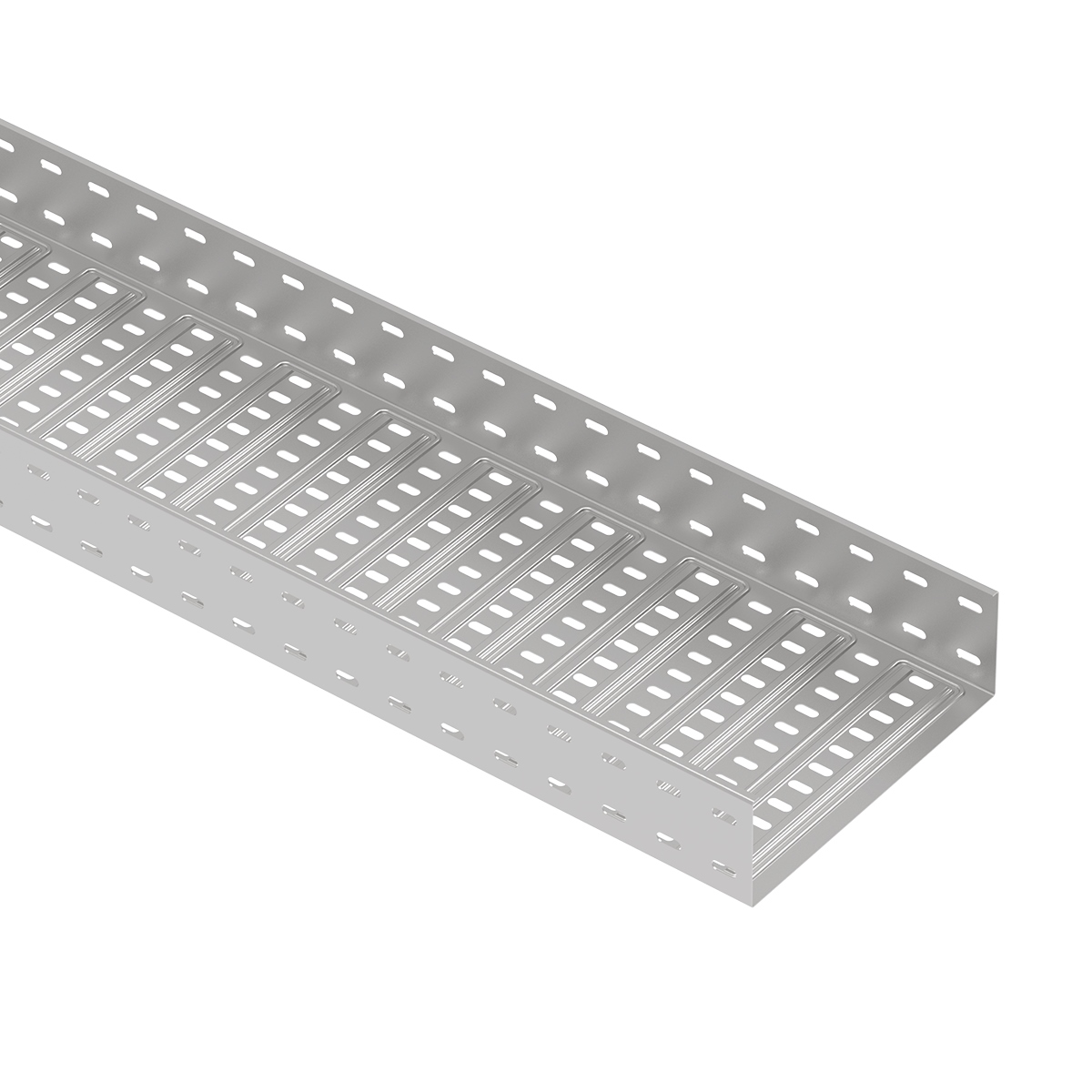
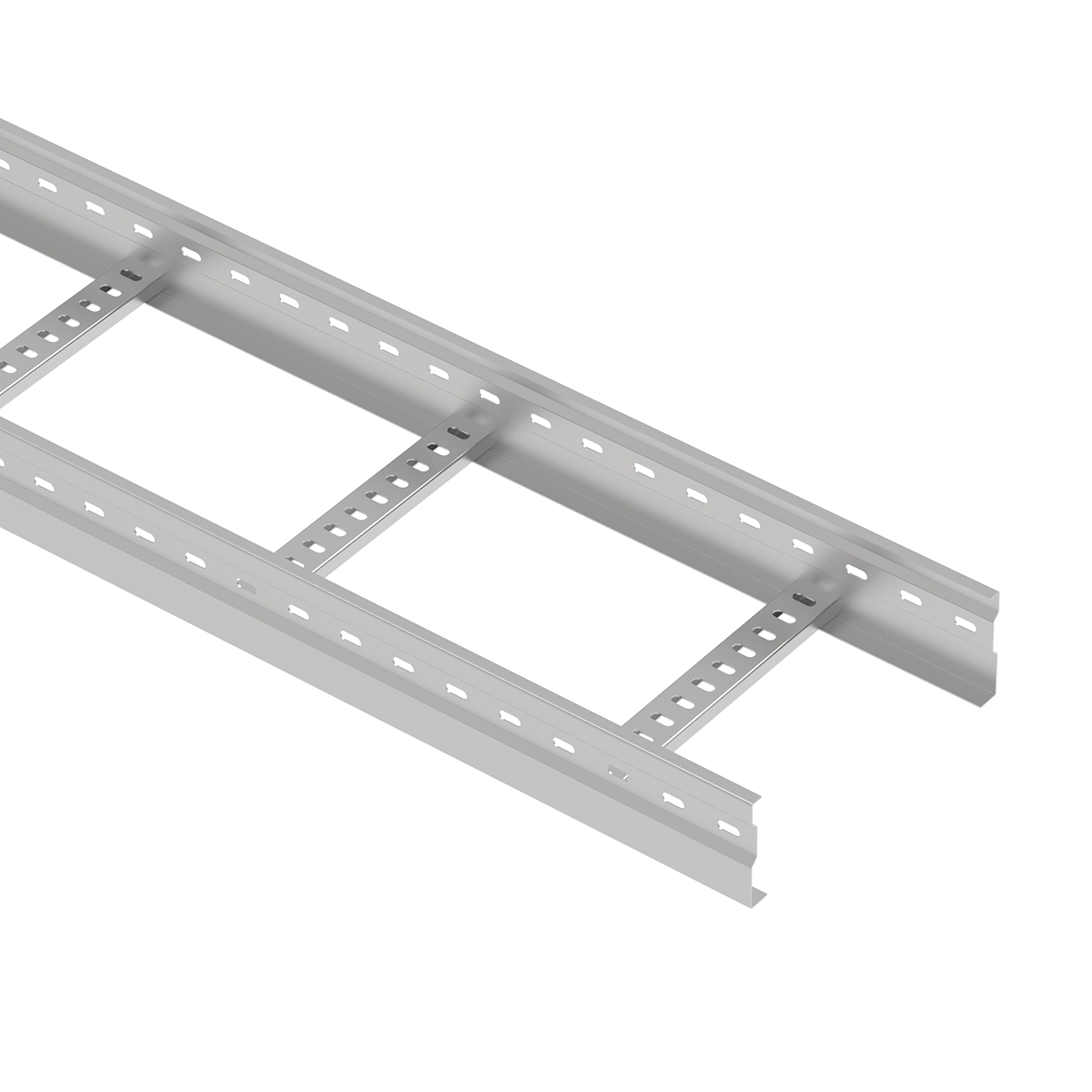
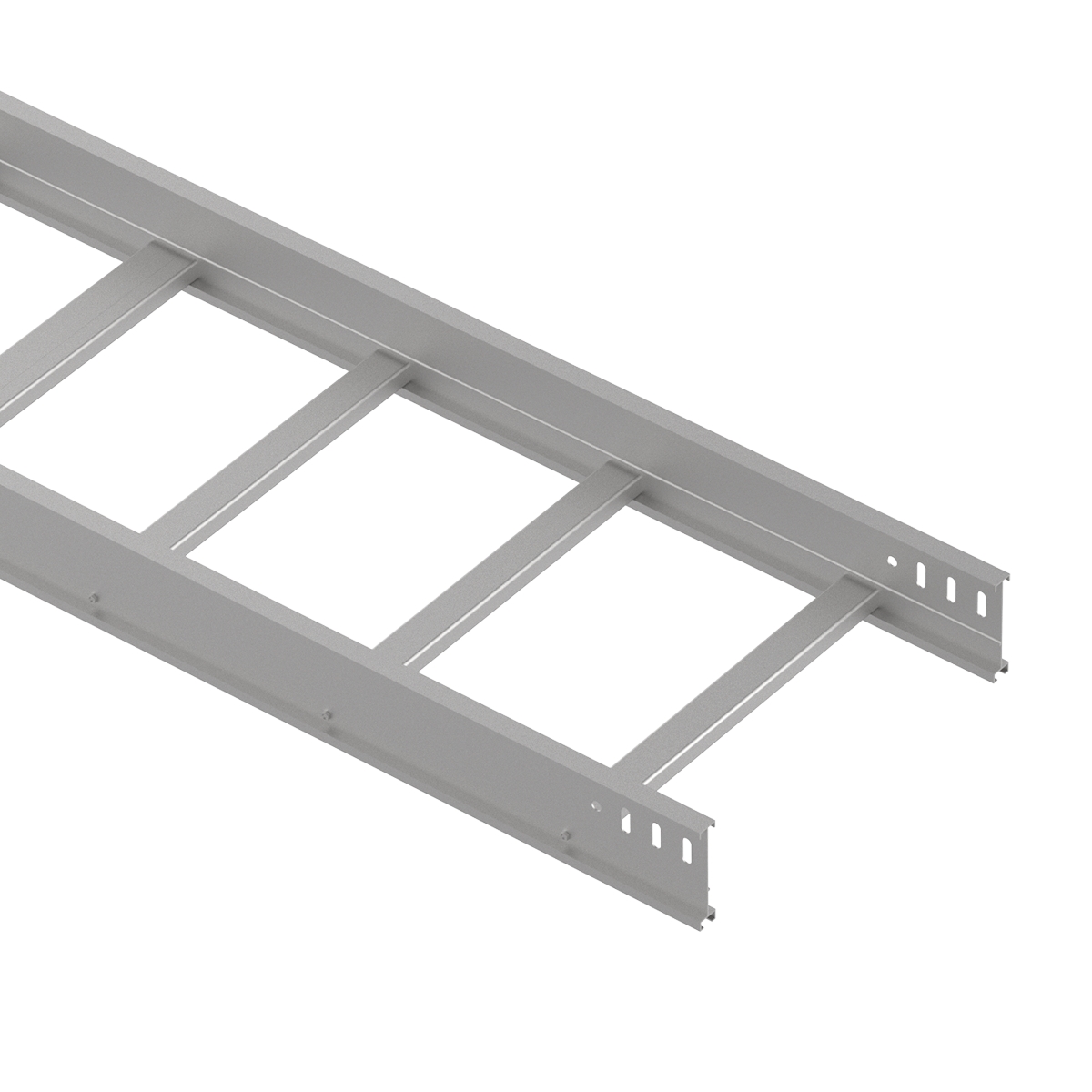
ECTRAY presents heavy-duty perforated cable tray with several material and finish options, including GI, HDG, ZM, powder-coated and stainless-steel configurations. That breadth is useful when a project has different exposure zones, but the listed options are not proof that every size, fitting and support is available in every combination. The buyer should obtain confirmation for the exact selected assembly.
For a project comparing galvanized options, ECTRAY can be asked to map its proposed GI or HDG configuration to the route schedule. The useful comparison is not a claim that one label always wins. It is which process applies to the offered straight lengths and accessories, which coating documentation accompanies them, and how the selected configuration will be installed and maintained in the stated environment.
ECTRAY's product options also provide a reason to avoid forcing a zinc-coated solution where the exposure assessment calls for a different material or finish. If the environment suggests stainless steel or another system, request a documented alternative and compare the whole assembly. The project engineer, not the product list, should decide which option meets the design requirements.
Keep commercial discussion specific. Send ECTRAY the route, dimensions, exposure, intended support spacing and evidence checklist. Ask it to return a configuration and identify assumptions or exceptions. This turns an option list into a proposal that can be assessed against the same criteria as competing offers.

Conceptual visual; confirm the exact selected system.
| Project need | ECTRAY option to ask about | Evidence to request |
|---|---|---|
| Zinc-coated steel tray | The quoted GI or HDG configuration | Coating process and standard for tray, fittings and supports |
| A different finish for a changed environment | The relevant ZM, powder-coated or stainless-steel configuration | Exact availability, material or finish data and route-specific rationale |
| A structural comparison | The selected dimensions and support layout | Load-versus-span data and installation limitations |
Start with the manufacturing process and standard for the quoted tray, then request the finish on each fitting, cover, connector, fastener and support. Ask whether any field cut, drilled hole or handling damage needs treatment and which written instructions govern that treatment. The answer should distinguish a factory finish from site repair.
Then request load-versus-span data for the offered dimensions, the recommended support arrangement and any stated limitations. If the route crosses environments, ask whether the proposal changes at the transition and how compatible parts will be joined. A supplier may need drawings or load data from the project before it can give a responsible answer; that is a useful clarification, not a defect in the process.
Finally, ask ECTRAY to mark any exception to the project schedule. A quote that clearly states an unavailable fitting, a different coating on supports or a required engineering check is easier to evaluate than one that hides uncertainty behind a broad “galvanized tray” description. Confirm those items before approval, not after delivery.
The first mistake is comparing labels instead of processes. “Galvanized” is too broad to tell a specifier whether the steel was coated before or after fabrication. The second is treating finish as a corrosion-life promise without describing the local environment. The third is assuming that a tray finish automatically applies to bends, connectors, supports and site-made cuts. Each is resolved by asking for the specific assembly and its evidence.
Another mistake is letting corrosion discussions displace load checks. The tray still needs a justified support spacing and capacity for the proposed route. Finally, avoid approving an alternative from a photograph or a one-line quotation. Record the finish process, exposure assumptions, accessories, structural evidence and repair instructions together.

Conceptual visual; confirm the exact selected system.
When those answers are clear, galvanized steel cable tray becomes a practical, verifiable choice rather than a vague material label. Use the route schedule to request the right configuration, compare suppliers on the same basis and leave an inspection trail the installation team can follow.