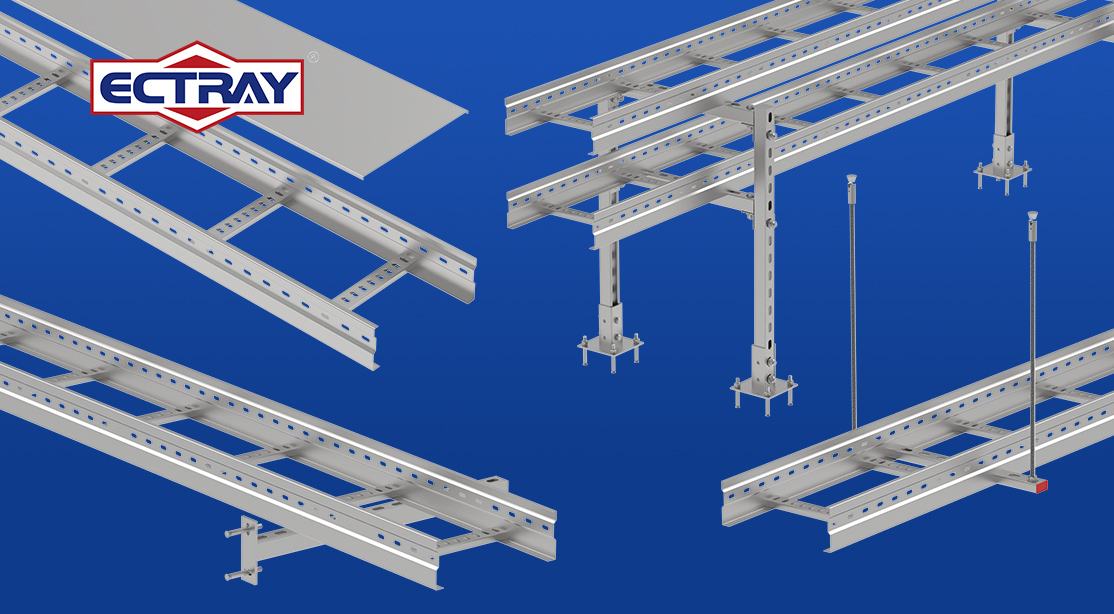
Cable tray ladder types play a crucial role in effective cable management. Their structured design ensures proper airflow and minimizes overheating risks. Various materials and constructions cater to diverse applications, from power plants to data centers. Understanding the types, benefits, and installation considerations is essential for any project. Yet, the selection process can be complex, raising important questions about compatibility and requirements. What factors should influence the choice of a cable tray ladder?
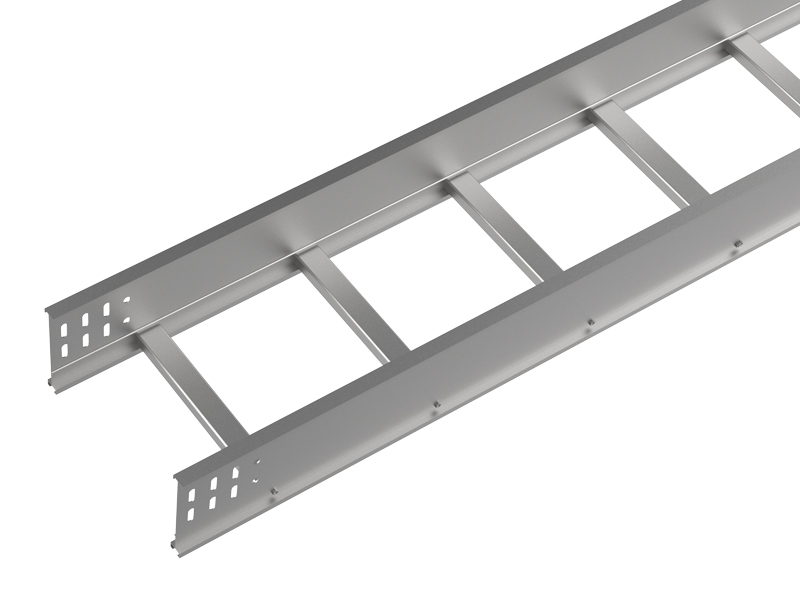
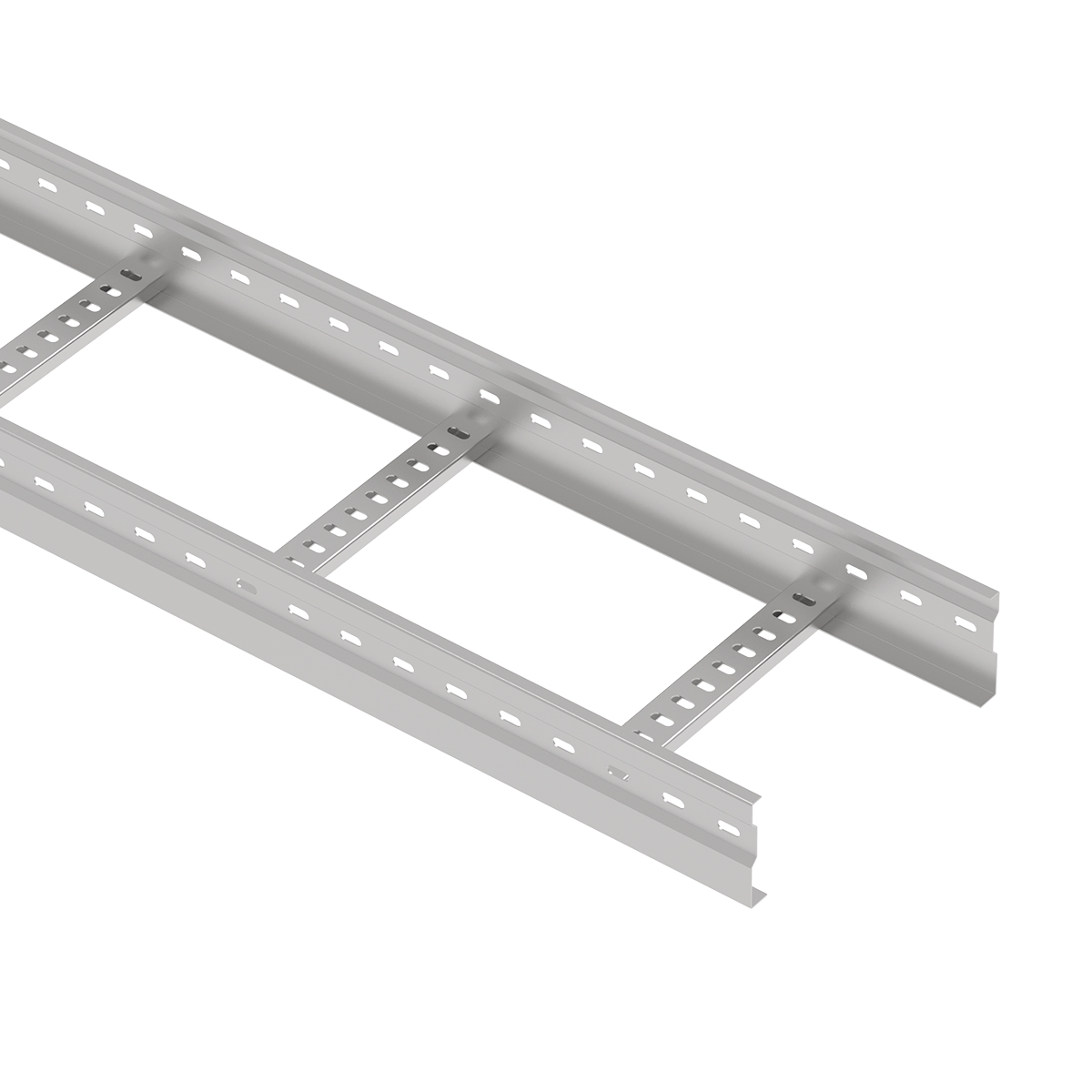
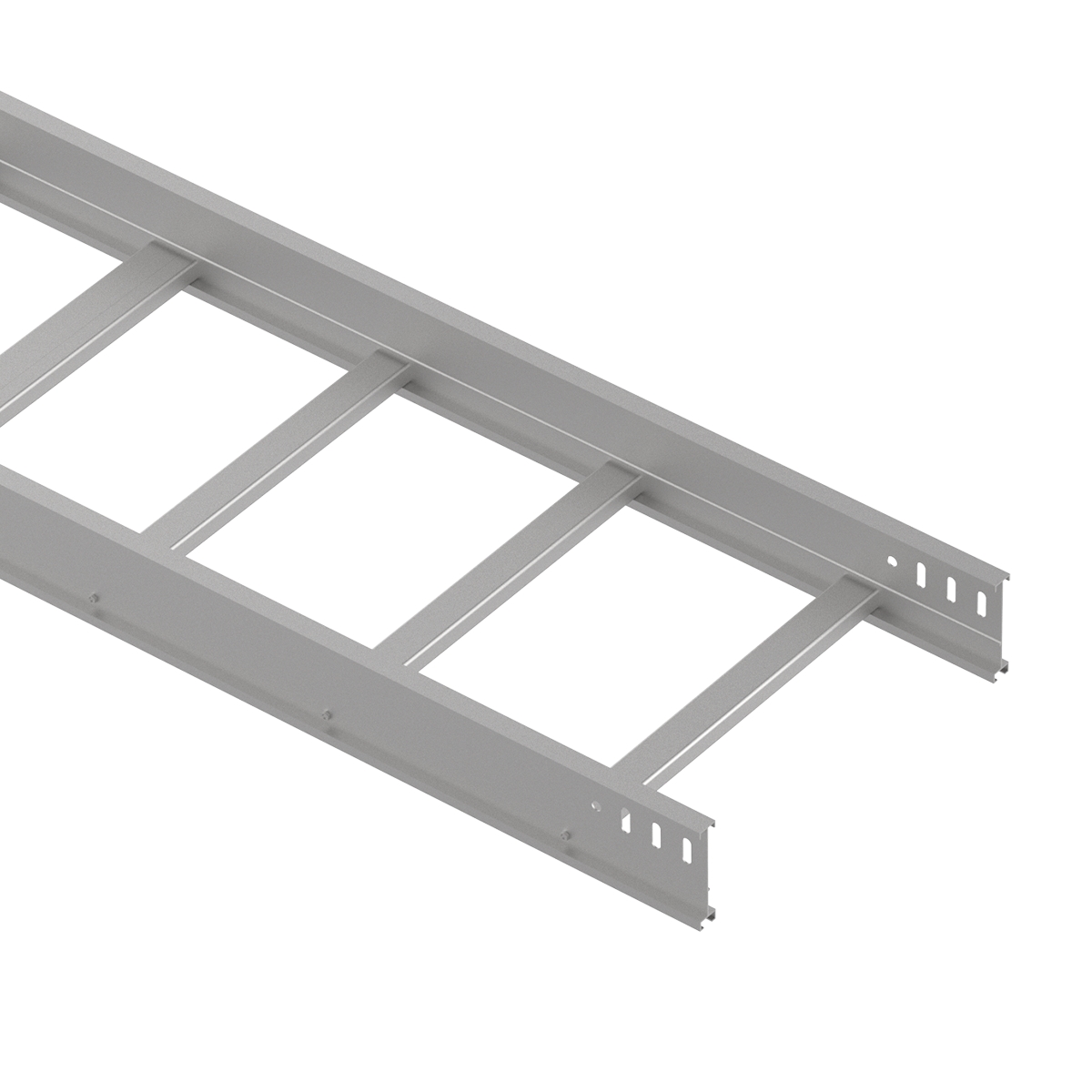
A cable tray ladder type consists of side rails connected by rungs, providing a structured method for routing and supporting cables. This design facilitates easy cable entry and exit, while enhancing airflow to prevent overheating.
When comparing cable trays and ladder types, distinct advantages in space utilization and maintenance emerge.

Cable tray ladders are designed to provide an efficient and organized solution for routing and supporting electrical cables. Characterized by their side rails and horizontal rungs, these trays allow for easy entry and exit of cables along their length.
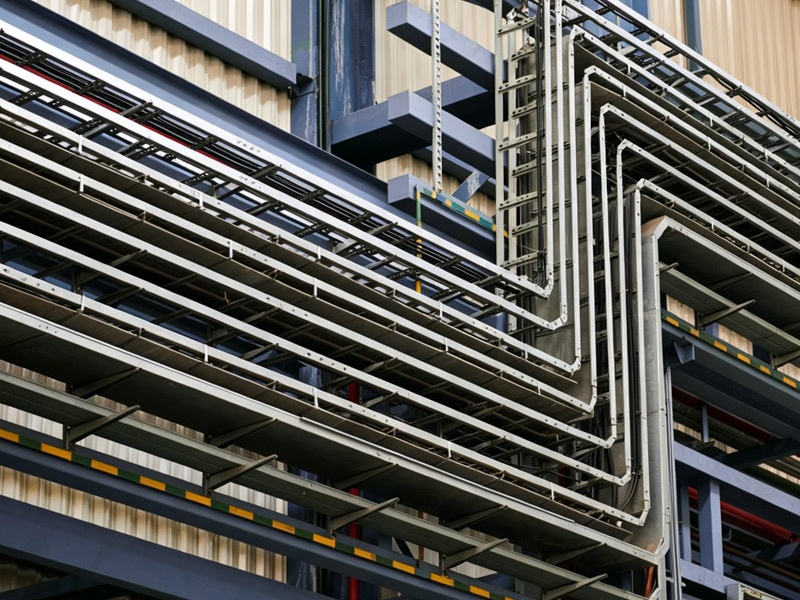
This design not only facilitates modifications and future expansions but also promotes optimal airflow, reducing the risk of overheating. Typically installed overhead or beneath floors, cable ladder trays can be configured with various fittings and accessories to accommodate specific installation needs.
Moreover, their robust structure ensures durability and reliability, making them suitable for large-scale electrical systems. Overall, cable tray ladders serve as a practical and effective method for managing electrical wiring in diverse environments.
Supporting cables effectively, ladder-type trays utilize a design of side rails and rungs that create a structured pathway for electrical wiring. This design allows for easy routing and organization, ensuring that cables are securely held while remaining accessible for future modifications.
The open structure of the rungs promotes airflow, which is crucial for reducing heat buildup and preventing overheating of the cables. Typically mounted overhead or beneath floors in large installations, these trays facilitate efficient use of space and minimize labor costs during installation.
Furthermore, the ability to integrate straight sections, fittings, and accessories enhances their versatility, making ladder-type trays a preferred choice in various electrical applications.
Ladder-type trays are a specific form of cable trays designed to facilitate the organization and support of electrical wiring. Unlike traditional cable trays, which may have solid bases, ladder trays consist of two parallel side rails connected by horizontal rungs.
This design allows for easier cable management, as cables can enter and exit at various points along the span. Additionally, the open structure promotes airflow, reducing the risk of overheating and enhancing the longevity of the cables.
While both systems serve similar functions, ladder trays are particularly beneficial in large installations where accessibility and airflow are crucial. Their versatility and efficiency make them a preferred choice in many industrial and commercial applications.
The main types of cable tray ladders include standard, heavy-duty, aluminum, stainless steel, and FRP options.
Each type offers unique benefits tailored to specific environments and load requirements.
Understanding these variations is essential for selecting the appropriate solution for cable management systems.
While there are various types of cable trays available, standard cable tray ladder are particularly popular due to their efficient design and functionality.
These trays consist of two parallel side rails connected by rungs, allowing for easy access and support for cables. The open structure promotes airflow, which helps in preventing overheating and ensures optimal performance of the cables within.
Standard ladder trays are typically used in overhead installations, making them suitable for large commercial and industrial environments. Additionally, they can accommodate future cable modifications, enhancing their versatility.
Heavy-duty ladder cable trays are designed to support substantial loads and withstand challenging environments, making them ideal for industrial applications.
These trays feature robust side rails and rungs, providing a secure pathway for cables while allowing for easy access and airflow. This design helps prevent overheating and ensures long-term cable integrity.
Heavy-duty options are particularly suited for settings such as manufacturing plants, data centers, and commercial buildings, where durability and strength are paramount. They can accommodate larger bundles of cables and require less frequent maintenance.
Additionally, heavy-duty cable trays can be customized with various accessories to meet specific project needs, enhancing their functionality and versatility in complex installations.

Aluminum cable tray ladder offer a lightweight yet durable solution for cable management in various applications.
These trays feature side rails and rungs, allowing for efficient routing and support of cables. The design promotes airflow, which helps prevent overheating and protects the cables during operation.
Commonly used in commercial and industrial settings, aluminum trays are easily mounted overhead or beneath floors, facilitating future adjustments and expansions.
Their corrosion resistance further enhances longevity, making them suitable for both indoor and outdoor environments.
Additionally, the trays can be integrated into larger systems, including fittings and accessories, simplifying installation and maintenance.

Stainless steel cable tray ladder provide a robust option for cable management in environments requiring enhanced durability and resistance to corrosion.
These trays feature sturdy side rails with rungs, allowing for efficient cable routing and support. Their design facilitates easy cable access and airflow, crucial for preventing overheating.
Commonly utilized in industrial settings, stainless steel trays are ideal for areas exposed to moisture, chemicals, or extreme temperatures, ensuring long-lasting performance.
Additionally, they can be integrated with other systems and accessories, enhancing installation flexibility.
The use of stainless steel not only promotes structural integrity but also contributes to safety by minimizing fire hazards.
FRP (Fiberglass Reinforced Plastic) cable ladder trays represent a versatile solution for cable management in various environments.
These trays are lightweight yet durable, making them ideal for both indoor and outdoor applications. They are resistant to corrosion, chemicals, and UV radiation, ensuring longevity in challenging conditions.
FRP cable ladder trays feature a design that supports optimal airflow, which helps to prevent overheating of cables. Installation is straightforward, allowing for easy modifications and expansions in cable routing.
Additionally, they require minimal maintenance and can accommodate various cable types, making them an efficient choice for installations in industries such as telecommunications, power generation, and manufacturing.
Ladder type cable trays offer distinct advantages that make them a preferred choice for many installations.
Their design ensures excellent ventilation and heat dissipation, which is crucial for maintaining cable integrity.
Additionally, the structure allows for high load capacity, easy installation, and flexibility for future modifications, enhancing overall efficiency.
Choosing a ladder type cable tray enhances cable ventilation and heat dissipation, making it a superior option for various installations.
The open design of ladder trays allows for unrestricted airflow, which is crucial for maintaining optimal temperatures within the cables. This airflow helps prevent overheating, thereby safeguarding the integrity of electrical systems.
Additionally, the ladder configuration facilitates easy access for maintenance and modifications, providing flexibility over time.
By ensuring that cables remain cool, ladder trays improve overall wire ampacity, which can lead to energy savings and reduced operational costs.
Consequently, the ladder type cable tray stands out as an effective solution for environments where heat management and cable longevity are priorities.
The high load capacity of ladder type cable trays makes them an ideal choice for installations requiring long spans between supports. Designed with robust side rails and rungs, these trays efficiently distribute weight, allowing for significant cable loads without compromising structural integrity.
This capability is particularly beneficial in large commercial or industrial settings, where extensive cable runs are common. By minimizing the number of required supports, ladder type trays not only reduce installation complexity but also lower labor costs.
Their strength ensures that cables remain secure and organized, while the design facilitates easy maintenance and adjustments. Overall, the high load capacity of ladder type cable trays enhances efficiency and reliability in demanding environments.
Easy Cable Installation and Maintenance
Simplifying cable installation and maintenance, ladder type cable trays offer a practical solution for managing extensive wiring systems. Their open design allows for easy access to cables, facilitating quick modifications and troubleshooting without the need for cumbersome disassembly.
This accessibility significantly reduces downtime during maintenance, making it an efficient choice for large-scale installations. Additionally, the rungs in ladder trays allow for straightforward cable routing, enabling installers to organize cables neatly and effectively.
This structured approach not only enhances airflow, helping to prevent overheating, but also minimizes clutter, promoting a safer work environment. Overall, ladder type cable trays streamline the installation process while ensuring ongoing ease of maintenance, making them a preferred option in various applications.
Ladder type cable trays offer remarkable flexibility for cable entry and exit, enhancing the overall functionality of wiring systems.
Their design includes rungs that facilitate multiple access points along the tray's span, allowing for efficient routing of cables. This adaptability is particularly beneficial in dynamic environments where modifications may be necessary.
The open structure promotes airflow, which not only aids in cooling but also prevents overheating of cables. Additionally, the installation of ladder trays is straightforward, accommodating various configurations and layouts.
Choosing a ladder type cable tray significantly enhances the ease of cable expansion and modification in complex installations. The design of ladder trays, featuring rungs and open side rails, allows for straightforward access to cables, making it simple to add or rearrange wiring as needs change.
This flexibility is particularly beneficial in environments where technology is rapidly evolving. Additionally, the open structure of ladder trays promotes airflow, which helps prevent overheating, thereby protecting the integrity of the cables.
This capability not only reduces maintenance efforts but also contributes to overall system efficiency. Consequently, ladder type cable trays are an ideal choice for organizations seeking adaptable and reliable solutions for their cabling infrastructure.
When comparing ladder cable trays to other types, such as perforated, solid bottom, and wire mesh trays, several factors come into play, including airflow, cable management, and installation efficiency.
Each tray type presents unique advantages and limitations, influencing their suitability for specific applications.
Understanding these differences is essential for making informed decisions in cable management solutions.
In the realm of cable management, the comparison between ladder cable trays and perforated cable trays highlights distinct advantages tailored to specific installation needs.
Ladder cable trays feature open rungs that facilitate airflow, enhancing cable cooling and reducing the risk of overheating. This design allows for easy cable entry and exit, making future modifications simpler.
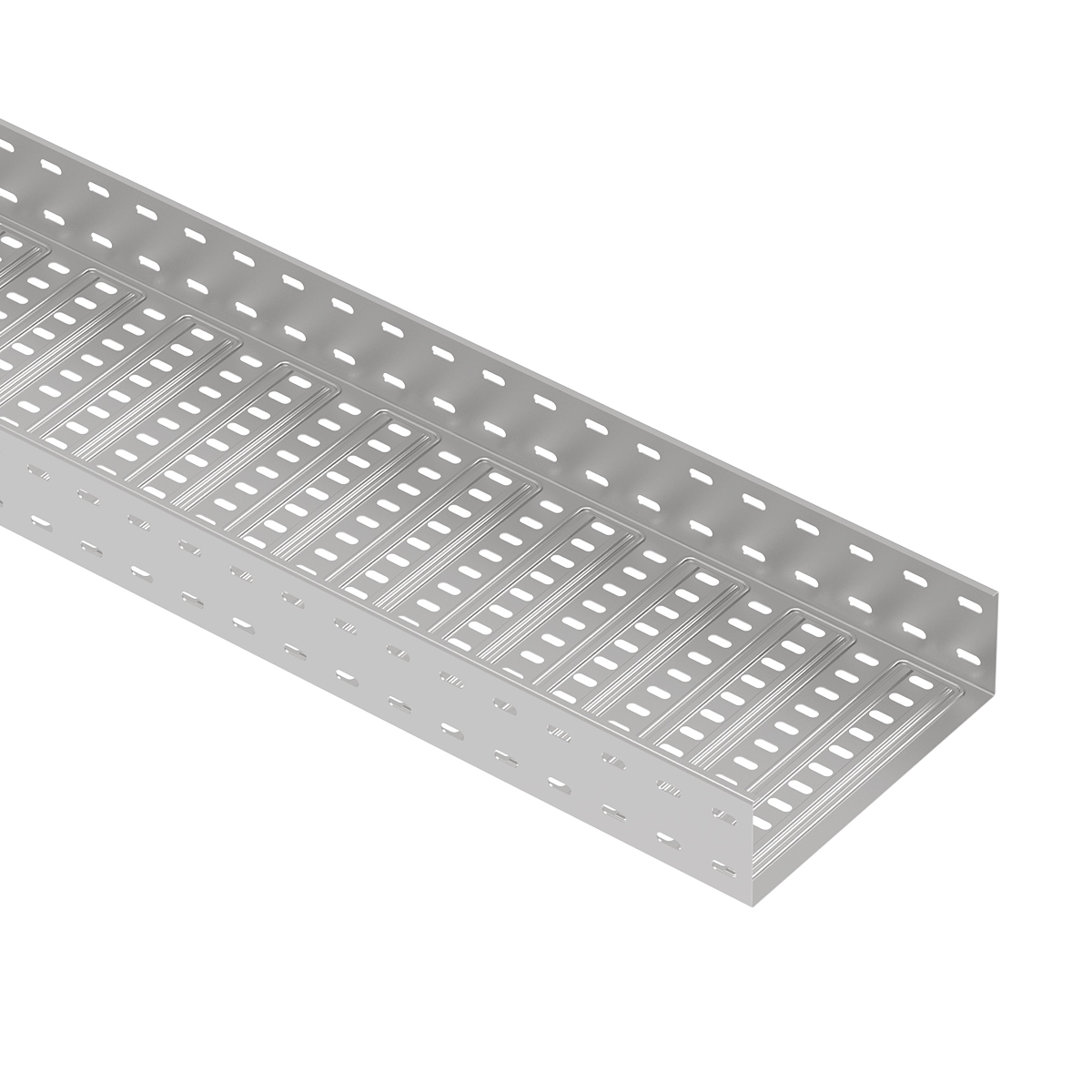
Conversely, perforated cable trays offer a solid base with holes for ventilation, providing moderate airflow while maintaining better structural integrity for heavier cables.
While ladder trays are ideal for large installations requiring extensive cable routing, perforated trays are suited for environments needing a balance between support and airflow.
Ultimately, the choice depends on project specifications, cable types, and installation environments.
The comparison between ladder cable trays and solid bottom cable trays reveals key differences that influence cable management decisions.
Ladder cable trays, characterized by their open design with rungs, promote airflow, minimizing overheating and enhancing cable performance. This design facilitates easy access for maintenance and future modifications.
In contrast, solid bottom cable trays provide a more enclosed environment, offering protection against dust and moisture but limiting airflow. While solid bottom trays excel in environments needing shielding, they may lead to increased heat accumulation.
Ultimately, the choice between these two types depends on specific project requirements, including environmental conditions and cable type, ensuring optimal cable management and longevity.
While both ladder cable trays and wire mesh cable trays serve essential roles in cable management, their design and functionality differ significantly.
Ladder cable trays feature a structured design with side rails and rungs, allowing for organized cable routing and easy access for future modifications. This design promotes airflow, reducing overheating and enhancing cable performance.
In contrast, wire mesh cable trays provide a more flexible and lightweight option, offering less structural support but allowing for easy installation in tight spaces.
While ladder trays are ideal for heavy-duty applications requiring high load capacities, wire mesh trays are better suited for lighter loads and environments where air circulation is a priority.
Understanding these differences aids in selecting the appropriate tray for specific needs.
When should one consider a ladder cable tray over other cable management solutions?
Ladder cable trays are ideal for environments requiring significant airflow, as their open design promotes cooling and prevents overheating of cables. They are particularly suitable for installations with heavy cabling needs, allowing easy access for alterations or additions.
Additionally, their robust structure supports larger cable volumes while minimizing space requirements compared to alternatives like wire mesh trays. In situations where maintenance and future modifications are anticipated, ladder trays facilitate quick adjustments due to their rungs that allow for easy cable entry and exit.
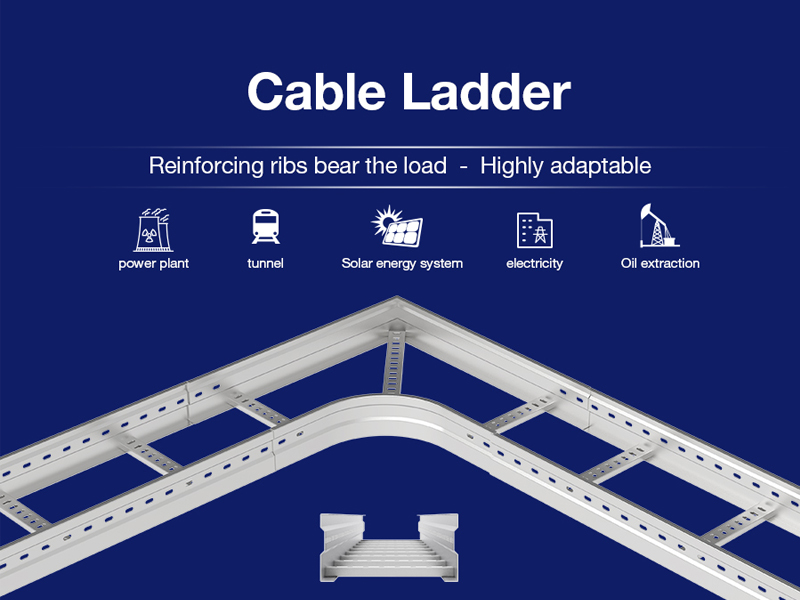
Ladder cable trays are commonly utilized in various critical environments, including power plants and electrical substations, where robust cable management is essential.
They are also prevalent in industrial and manufacturing facilities, as well as solar power projects, due to their ability to support heavy cables while ensuring adequate airflow.
Additionally, data centers and commercial infrastructure projects benefit from the efficient organization and accessibility provided by ladder cable trays.
Cable trays, particularly ladder-type configurations, play a crucial role in power plants and electrical substations, where efficient cable management is essential.
These trays offer a robust solution for organizing and supporting numerous cables, ensuring optimal airflow to prevent overheating. The design allows for easy cable entry and exit, facilitating future adjustments as operational needs evolve.
Ladder trays are typically mounted overhead or beneath floors, maximizing space utilization in these expansive facilities. Additionally, their metal construction can serve as grounding equipment, enhancing safety.
In industrial and manufacturing facilities, efficient cable management is vital for maintaining operational effectiveness. Ladder cable trays are commonly utilized for organizing electrical wiring and cables, ensuring safety and accessibility.
Their design allows for easy entry and exit of cables along the span, facilitating future modifications without extensive downtime. The open structure promotes airflow, helping to prevent overheating and extending the lifespan of the cables.
Typically mounted overhead or beneath floors, these trays save valuable floor space while enhancing wire ampacity. Furthermore, their installation requires fewer labor resources compared to alternative methods, contributing to reduced operational costs.
Efficient cable management remains vital in solar power projects, similar to its role in industrial and manufacturing facilities.
Ladder cable trays provide an organized method for routing and supporting electrical cables in these installations. They enhance airflow, which is crucial for preventing overheating and protecting sensitive wiring. The design of ladder trays allows for easy cable entry and exit, facilitating maintenance and future upgrades.
Their robust structure supports large spans, making them suitable for expansive solar arrays. Additionally, the use of metal trays can serve dual purposes, such as grounding equipment.
Data centers rely heavily on effective cable management systems to maintain organization and operational efficiency.
Ladder cable trays are particularly advantageous in these environments due to their design, which allows for easy cable entry and exit at various points. This flexibility facilitates routine maintenance and future upgrades without significant disruption.
Additionally, the open structure of ladder trays promotes airflow, reducing the risk of overheating and protecting sensitive cables. Typically mounted overhead or under floors, these trays optimize space while supporting the extensive cabling required for data transmission.
Their installation as modular systems also enhances scalability, making them ideal for the evolving needs of data centers.
Ladder cable trays are increasingly utilized in commercial and infrastructure projects due to their adaptability and efficiency in managing extensive cabling systems.
These trays are particularly effective in environments such as office buildings, shopping malls, and industrial facilities, where the organization of cables is crucial. Their design allows for easy cable installation, maintenance, and future modifications, which is essential in dynamic commercial settings.
Additionally, ladder trays facilitate optimal airflow, reducing the risk of overheating and enhancing cable longevity.
Their lightweight yet robust construction enables straightforward overhead or underfloor mounting, making them suitable for large-scale installations.
Choosing the right cable tray ladder type requires careful consideration of several factors.
Key points include assessing cable load and weight, determining appropriate tray width and height, and evaluating support spans and rung spacing.
Additionally, the material's corrosion resistance plays a crucial role in ensuring durability and performance.
Selecting the appropriate cable tray ladder type hinges on understanding the load and weight specifications of the cables to be supported. Each ladder tray type is designed to accommodate specific load capacities, which must align with the weight of the cables being installed.
Factors such as cable size, type, and installation method influence the overall weight distribution. It is crucial to consider not only the static load but also dynamic factors like potential future expansions. Proper load management ensures structural integrity and longevity of the installation, preventing issues such as sagging or failure.
Therefore, a thorough assessment of the cable load and weight is essential in selecting the most suitable ladder tray type for efficient and safe cable management.
When determining the suitable cable tray width and height, it is essential to consider the specific requirements of the installation environment and the cables to be supported.
The width of the cable tray must accommodate the total number of cables while allowing for proper airflow, which is crucial for heat dissipation.
Height considerations should focus on the size of the cables and potential future expansions. A wider tray can facilitate easier access for maintenance and modifications.
Additionally, industry standards and local regulations may dictate minimum dimensions to ensure safety and functionality.
Ultimately, selecting the correct dimensions enhances efficiency and longevity, making it vital for installers to assess their unique needs thoroughly before making a decision.
Support span plays a crucial role in determining the appropriate cable tray ladder type for an installation. The support span refers to the distance between two support points for the cable tray.
Selecting the right span is essential, as it influences the structural integrity and load capacity of the tray system. Generally, longer spans can reduce installation costs and labor, but they may require stronger materials to ensure stability.
Common spans range up to three meters, depending on the type of cable and environmental conditions. Evaluating factors such as cable weight, environmental stressors, and future maintenance needs will help in making an informed decision.
Proper attention to the support span ensures optimal performance and longevity of the cable tray system.
Choosing the appropriate rung spacing in a cable ladder tray system is crucial for optimizing performance and functionality. Rung spacing directly influences cable support, airflow, and installation efficiency.
Ideally, spacing should accommodate various cable sizes while allowing for future modifications. Commonly, rung spacing ranges from 12 to 24 inches, depending on the specific requirements of the installation and the type of cables being utilized.
Closer spacing may be beneficial for heavier cables, ensuring stability and reducing sagging. Conversely, wider spacing can improve airflow, minimizing overheating risks.
Ultimately, careful consideration of rung spacing is essential to maintain electrical integrity and support system longevity, making it a key factor in selecting the appropriate cable ladder tray type.
Material selection plays a vital role in determining the effectiveness and longevity of cable ladder trays. Common materials include aluminum, steel, and fiberglass, each offering distinct advantages.
Aluminum is lightweight and resistant to corrosion, making it suitable for various environments. Steel, often galvanized or coated, provides strength and durability but may require additional corrosion protection in humid or chemical-laden settings.
Fiberglass is non-conductive and resistant to corrosion, ideal for harsh environments. Evaluating the specific application and environmental conditions is essential for selecting the right material.
Proper corrosion resistance ensures the integrity of the cable tray system over time, ultimately contributing to operational efficiency and reducing maintenance costs.
When selecting the appropriate cable ladder tray type, understanding the installation environment is crucial for ensuring optimal performance and longevity. Factors such as temperature fluctuations, humidity levels, and exposure to chemicals or corrosive elements significantly influence the choice.
For indoor settings, standard metal trays may suffice, while harsh outdoor environments may necessitate trays constructed from corrosion-resistant materials.
Additionally, assessing the available space and load requirements is essential, as these factors dictate the size and configuration of the tray. Proper ventilation is also vital, as it aids in preventing overheating.
Selecting the appropriate cable ladder tray type is essential for accommodating future cable expansion. When choosing a tray, it is crucial to consider the anticipated growth of the cable infrastructure.
Options such as open or ventilated designs facilitate airflow, minimizing overheating risks. Additionally, selecting trays with adjustable rungs allows for easy modifications as new cables are added.
The layout should also provide sufficient space to avoid congestion, ensuring efficient cable management. Moreover, compatibility with existing systems is vital for seamless integration.
Evaluating these factors will lead to a more flexible installation, ultimately reducing long-term costs and maintenance efforts while ensuring safety and efficiency in cable routing.
Cable tray ladders are constructed from various materials, each offering distinct advantages for specific applications.
Common options include galvanized steel, hot-dip galvanized steel, aluminum, stainless steel, and fiberglass reinforced plastic (FRP).
The choice of material impacts durability, corrosion resistance, and overall performance in different environments.
Galvanized steel cable ladders are widely recognized for their durability and corrosion resistance, making them an ideal choice for various industrial applications.
The galvanization process involves coating steel with a layer of zinc, which protects against rust and enhances the ladder's lifespan. This material is particularly suitable for environments exposed to moisture and harsh chemicals, ensuring long-term performance.
Additionally, galvanized steel offers structural strength, allowing for greater cable support over extended spans. The lightweight nature of these ladders simplifies installation while maintaining stability.
Their design promotes airflow, which is essential for preventing overheating in cable systems. As a result, galvanized steel cable ladders are a reliable and efficient solution for managing and supporting electrical wiring.
Hot-dip galvanized cable ladders represent an advanced option in cable management systems, building on the durability and corrosion resistance offered by galvanized steel. This process involves submerging steel components in molten zinc, creating a robust protective layer that withstands harsh environmental conditions.
The resulting finish not only enhances resistance to rust and deterioration but also extends the lifespan of the cable ladder. Ideal for both indoor and outdoor applications, hot-dip galvanized ladders provide excellent strength and stability for heavy cabling installations.
Their design facilitates airflow, reducing overheating risks. As a cost-effective solution, these ladders require minimal maintenance, making them an excellent choice for various industrial and commercial environments where reliability is paramount.
Aluminum cable ladders are increasingly favored for their lightweight yet robust construction, making them ideal for various installations. These ladders are typically constructed from high-quality aluminum, offering excellent corrosion resistance and durability.
Their design features side rails with rungs that allow for easy cable routing and access, facilitating maintenance and future modifications. The inherent properties of aluminum contribute to better thermal management, ensuring adequate airflow around the cables to prevent overheating.
Furthermore, aluminum cable ladders require less structural support compared to heavier materials, reducing installation costs and labor. This combination of lightweight design and high performance makes aluminum cable ladders a preferred choice in commercial and industrial applications where efficiency and reliability are paramount.
Stainless steel cable ladders are widely recognized for their exceptional strength and corrosion resistance, making them suitable for a variety of demanding environments.
These ladders are particularly effective in harsh conditions, including chemical plants and coastal areas where exposure to moisture and corrosive elements is prevalent. The robust material ensures longevity and reliability, reducing the need for frequent replacements.
Additionally, stainless steel ladders facilitate efficient airflow around the cables, which is essential for preventing overheating. Their design allows for flexible cable management, accommodating future upgrades with ease.
FRP cable ladders, constructed from fiberglass-reinforced plastic, offer a lightweight yet robust solution for cable management in various environments. Their resistance to corrosion makes them ideal for demanding conditions, such as chemical plants and coastal areas.
The non-conductive nature of FRP ensures safety, particularly in electrical installations, reducing the risk of short circuits. Additionally, these ladders maintain excellent structural integrity under varying temperatures, making them suitable for both indoor and outdoor applications.
With customizable lengths and widths, FRP cable ladders can be tailored to meet specific project requirements. Their efficient design promotes airflow, which helps in heat dissipation, ultimately protecting cables and enhancing system longevity.
These attributes make FRP cable ladders a valuable choice in modern infrastructure.
When installing cable tray ladders, several critical factors must be taken into account. Support spacing, cable loading, and the proper joining of straight sections and fittings are essential for ensuring structural integrity.
Additionally, considerations for cable fixing, separation, and the incorporation of bends, tees, and crosses will significantly impact the overall effectiveness of the installation.
Support spacing is a critical factor in the installation of cable ladder trays, significantly impacting both structural integrity and cable management efficiency. Proper spacing ensures that the trays can adequately support the weight of cables while maintaining stability and safety.
Industry standards typically recommend support intervals of two to three meters, depending on the tray’s size and the load it will carry. Adequate support prevents sagging and potential damage to the cables, promoting optimal airflow and reducing overheating risks.
Additionally, appropriate spacing facilitates easier access for maintenance and future modifications. Adhering to these guidelines not only enhances the longevity of the installation but also ensures compliance with safety regulations, benefiting both the installation team and the end-users.
Proper support spacing directly influences cable loading capabilities in cable ladder tray installations. Adequate spacing ensures that the tray can bear the weight of the cables without bending or deforming, which can compromise the system's integrity.
Engineers typically recommend specific load ratings based on the type and number of cables being installed. Additionally, the arrangement of cables within the tray should allow for optimal airflow to prevent overheating.
When planning installations, it is essential to consider the weight distribution and potential future expansions, as these factors can impact the overall performance.
Correct cable loading practices not only enhance safety but also improve the lifespan of the installation, ensuring reliable operation over time.
Joining straight sections and fittings in cable ladder trays requires careful attention to alignment and secure connections. Proper alignment ensures that the cable trays maintain structural integrity and support the weight of the cables effectively.
When connecting sections, it is essential to use appropriate fasteners, such as bolts or screws, to create a strong and reliable joint. Additionally, considering the tray's orientation and the surrounding environment can help prevent potential issues, such as misalignment or damage over time.
Utilizing brackets or support systems can further enhance stability. Following manufacturer guidelines during installation is crucial for achieving a safe and efficient cable management solution, ultimately contributing to the longevity and performance of the cable tray system.
Ensuring effective cable fixing and separation is crucial during cable ladder tray installation. Proper fixing methods prevent cable movement and reduce the risk of damage, ensuring longevity and reliability.
Using appropriate cable ties or clamps enhances stability, allowing for organized routing and easy access for future adjustments.
Separation of different cable types—such as power and data—is vital to minimize interference and maintain optimal performance. Adequate spacing between cables also promotes airflow, reducing heat buildup and enhancing safety.
Additionally, adhering to industry standards and guidelines facilitates compliance and ensures best practices are followed.
Bends, tees, and crosses play a critical role in the installation of cable ladder trays, as they facilitate the routing of cables around obstacles and through complex layouts.
These fittings enable installers to create efficient pathways, ensuring cables are properly guided without excessive strain. Bends allow for directional changes, while tees provide junction points for branching cables. Crosses are useful for intersecting multiple cable runs.
Careful selection and installation of these components can enhance system efficiency and accessibility for future modifications. Additionally, proper support and alignment during installation are essential to prevent cable damage.
Effective cable management, particularly when using bends, tees, and crosses, sets the stage for proper grounding and bonding in cable tray ladder installations.
Grounding is essential for safety, preventing electrical shock and equipment damage. Ensuring that the cable tray is properly bonded helps to maintain a low-resistance path for electrical currents, reducing the risk of electromagnetic interference.
When installing cable trays, it is crucial to use conductive materials and ensure that all connections are secure. Regular inspections should be conducted to verify the integrity of grounding and bonding systems.
Adhering to industry standards and guidelines ensures compliance and enhances the reliability of the electrical installation, ultimately supporting the overall performance of the system.
Cable tray ladder fittings and accessories play a crucial role in ensuring efficient cable management.
Components such as horizontal elbows, vertical elbows, tees, crosses, reducers, couplers, and connectors facilitate seamless transitions and adaptations within cable tray systems.
Understanding these fittings is essential for optimizing installations and maintaining system integrity.
When designing a cable management system, incorporating horizontal elbows is essential for navigating changes in direction within a cable ladder tray setup. These fittings facilitate smooth transitions, allowing cables to bend horizontally without stress or damage.
Horizontal elbows are particularly valuable in complex installations, where routing around obstacles or corners is necessary. They enhance the overall efficiency of the cable tray system by maintaining proper airflow, which is crucial for preventing overheating.
Additionally, the use of horizontal elbows minimizes the risk of cable tangling or kinking, ensuring long-term reliability. Selecting the appropriate size and configuration for these elbows is vital to accommodate specific cable types and installation requirements, further optimizing the cable management system's performance.
Incorporating vertical elbows into a cable ladder tray system is vital for managing vertical changes in direction. These fittings enable seamless transitions when cables need to ascend or descend, ensuring that the overall layout remains organized and efficient.
Vertical elbows are particularly beneficial in complex installations, where space constraints may require innovative routing solutions. They enhance airflow around the cables, which is crucial for preventing overheating and maintaining optimal performance.
Additionally, the use of vertical elbows can reduce the need for extensive cable re-routing, simplifying maintenance and modifications. By facilitating effective cable management, vertical elbows contribute significantly to the longevity and reliability of electrical systems, making them an essential component in cable ladder tray setups.
Tees and crosses are essential fittings in cable ladder tray systems, facilitating the branching of cable routes. These components allow for efficient cable management by enabling multiple pathways from a single run, thus enhancing flexibility in installations.
Tees are designed for three-way connections, while crosses provide a four-way junction, accommodating various cable directions and configurations. This versatility is particularly beneficial in complex environments where space is limited.
Additionally, the incorporation of tees and crosses ensures that cable trays maintain their structural integrity and support capabilities while allowing for easy access and maintenance.
Proper selection and installation of these fittings can significantly improve the overall efficiency and effectiveness of cable distribution systems, making them vital accessories in any cable management solution.
Reducers play a significant role in cable ladder tray systems by allowing for smooth transitions between different tray sizes. These fittings are essential in accommodating changes in cable volume or routing requirements, ensuring that the installation remains efficient and organized.
By connecting larger trays to smaller ones, reducers help maintain the structural integrity of the cable management system while minimizing potential bottlenecks. They are typically designed to match standard ladder tray dimensions, facilitating easy installation.
Additionally, the use of reducers promotes optimal airflow, which is crucial for preventing overheating of cables. Overall, incorporating reducers into cable tray systems enhances flexibility, improves cable management, and supports the longevity of electrical installations.
Couplers and connectors are vital components in cable ladder tray systems, facilitating seamless connections between different tray sections.
These fittings ensure structural integrity while allowing for flexibility in design and installation. Available in various types, including straight, angled, and junction connectors, they enable the creation of complex layouts tailored to specific project requirements.
Proper selection of couplers and connectors is essential for maintaining the strength and durability of the tray system, as well as ensuring efficient cable management.
Additionally, high-quality materials used in these components enhance resistance to environmental factors, prolonging service life.
Ultimately, the right couplers and connectors contribute significantly to the overall performance and reliability of cable ladder installations.
Covers and dividers play a crucial role in enhancing the functionality of cable ladder tray systems. These accessories are essential for protecting cables from environmental factors, such as dust and moisture, which can compromise cable integrity.
Covers help maintain a clean, organized appearance while minimizing the risk of accidental contact with the cables. Dividers are particularly useful in separating different types of cables, preventing interference and simplifying maintenance.
Brackets and supports are integral components in the installation of cable ladder trays, ensuring structural stability and proper alignment. These fittings are essential for securing the trays to walls, ceilings, or beams, thereby maintaining the desired height and orientation.
Various types of brackets, including adjustable and fixed options, cater to different installation environments and requirements. Supports must be robust enough to handle the weight of the cables while allowing for airflow, which is crucial for preventing overheating.
Proper selection and installation of brackets and supports contribute to the longevity and efficiency of the cable management system. Ultimately, they facilitate easy access for maintenance and modifications, enhancing the overall functionality of the cable tray system.
When selecting the appropriate cable tray ladder for a project, one must consider factors such as cable type, installation environment, and future scalability.
The specific cables being used will influence the ladder's design and capacity, while the installation environment—be it indoor, outdoor, or industrial—dictates material choices for durability and protection.
Future scalability is crucial; selecting a ladder that accommodates additional cables can save time and costs later.
Additionally, assessing the required airflow for cooling and the space available for installation will ensure optimal performance.
The lifespan of a cable ladder tray typically ranges from 10 to 30 years, depending on factors such as material quality, environmental conditions, and maintenance practices.
Metal trays, for instance, often exhibit greater durability and resistance to corrosion when properly treated.
Regular inspections and upkeep can significantly extend their functional life.
Ultimately, the specific application and installation environment play crucial roles in determining how long a cable ladder tray will remain effective.
Yes, cable ladder trays can be customized for specific projects. Manufacturers often offer tailored solutions to meet unique requirements, such as dimensions, materials, and configurations.
This customization ensures that the trays fit seamlessly into the project’s design and operational needs. By collaborating with engineers, clients can achieve optimal functionality and efficiency, thereby enhancing overall installation performance and adapting to various environmental conditions.
Custom solutions are essential for specialized applications and complex infrastructures.
Maintaining cable ladder trays involves regular inspections for wear, corrosion, and loose fittings.
Cleaning dust and debris ensures optimal airflow, which helps prevent overheating.
It is essential to check that cables are securely fastened and not overly strained.
Periodic adjustments may be necessary to accommodate changes in cable load.
Additionally, ensuring proper grounding and compliance with safety standards contributes to the longevity and effectiveness of the cable ladder system.
Cable ladder trays meet various safety standards, including those set by the National Electrical Manufacturers Association (NEMA) and Underwriters Laboratories (UL).
These standards ensure that the trays are constructed from durable materials, capable of supporting the necessary load while providing effective ventilation.
Compliance with these regulations minimizes risks associated with fire hazards and electrical failures, ensuring a safe environment for both installations and maintenance activities in commercial and industrial settings.
Cable ladder trays are suitable for outdoor use, provided they are constructed from weather-resistant materials such as galvanized steel or aluminum.
These trays can withstand environmental factors like moisture and UV exposure, ensuring durability. Proper installation and maintenance are essential to prevent corrosion and ensure functionality.
Additionally, using UV-protected coatings can enhance their longevity in outdoor settings.
In conclusion, ladder cable trays are vital for efficient cable management, offering various types and materials that suit diverse applications. Their robust structure ensures high load capacity and promotes airflow, mitigating overheating risks. By understanding the different types, benefits, and installation considerations, project managers can select the most suitable ladder cable tray for their specific needs. Ultimately, choosing the right tray enhances both the safety and efficiency of electrical systems in various environments.