Choosing perforated cable tray materials starts with understanding the installation environment. A dry indoor service corridor, an exposed solar rooftop and a coastal processing facility can require different corrosion protection, even when the tray dimensions are identical.
The four perforated cable tray materials and finishes covered here—ZM, GI, HDG and stainless steel—offer different approaches to corrosion protection. The useful comparison considers the base metal, coating specification, fabrication process, local exposure and maintenance access together.
This guide explains the four options and the information needed to specify a complete tray system. In this article, GI means pre-galvanized steel, while HDG means steel hot-dip galvanized after fabrication. These definitions matter because the timing of galvanizing affects the condition of cut edges and perforations.
The base metal provides the tray's structural section. Its grade, thickness and formed profile help determine mechanical performance. A protective coating provides a barrier and, for zinc-based systems, sacrificial protection against corrosion.
ZM is a zinc-aluminum-magnesium coating on steel. GI is zinc-coated steel sheet formed into the tray. HDG describes galvanizing the fabricated steel component. Stainless steel is an alloy family whose corrosion resistance comes from a passive surface film.
Keeping these categories clear makes quotations easier to compare. A specification should identify both the substrate and its protection, rather than simply requesting a “corrosion-resistant tray.”
For the ZM and GI options discussed here, the steel sheet receives its metallic coating before cutting, punching and forming. Newly created edges therefore differ from the coated sheet faces.
With HDG after fabrication, those operations take place before galvanizing. The process can coat accessible fabricated edges and hole surfaces. Any cutting or drilling performed afterward creates new areas requiring assessment under the repair guidance.
Pre-coated steel in this comparison means metallic-coated sheet; it does not mean a paint or polymer layer.
Corrosion protection and structural capacity require separate checks. Selecting HDG or stainless steel does not establish a higher load rating for an otherwise unspecified tray.
Verify the actual grade, base metal thickness, section geometry, connections and support span. Appropriate corrosion protection helps preserve the section over time, but it cannot compensate for an inadequately designed support system.
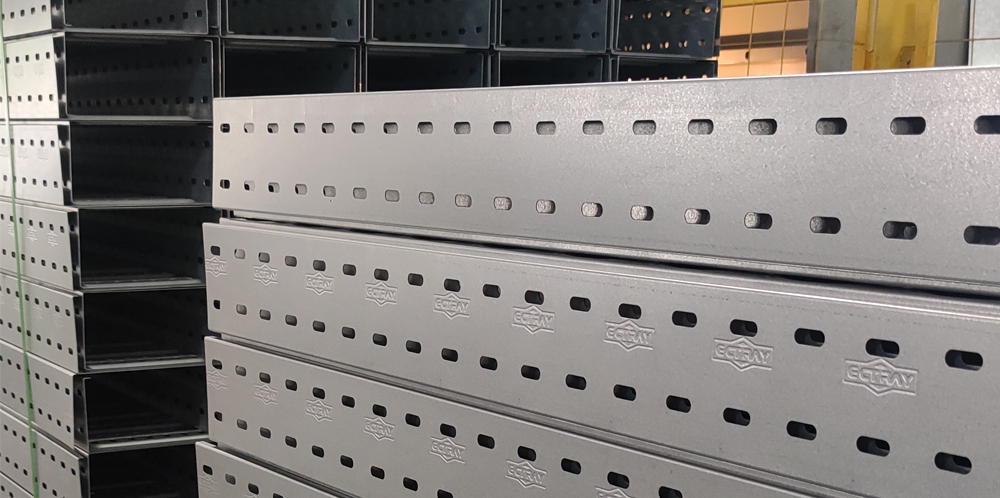
ZM stands for zinc-aluminum-magnesium. For these trays, it refers to steel sheet with a metallic alloy coating applied through a continuous hot-dip process before fabrication.
The aluminum and magnesium additions influence the protective corrosion products that develop during exposure. Their proportions and the coating mass vary between products, so the name “ZM” alone is not a complete performance specification.
Certain ZM coatings can develop protective corrosion products over exposed cut edges under suitable conditions. This is sometimes described as a self-healing effect. It does not mean the original metallic layer physically regrows or that every cut edge receives unlimited protection.
Assess edge protection against the specific coating product, steel thickness, edge geometry and environment. Follow the supplier's guidance on deburring, field cutting and repair instead of assuming every cut needs paint or every cut can remain untreated.
For an example of zinc-aluminum-magnesium coating technology, see ArcelorMittal’s Magnelis® technical information. Performance data apply to the specified coating product.
ZM can be evaluated for rooftop solar systems, outdoor cable routes and humid locations where the specified coating has suitable supporting data.
Some ZM products offer effective protection at lower coating mass than conventional zinc alternatives under particular exposure conditions. That potential benefit needs product-specific evidence; a thinner coating is neither automatically inferior nor proof of equivalent performance.
Compare available exposure data, coating specifications and installation requirements when considering ZM as an alternative to HDG.
Record the base steel grade and thickness, coating product or designation, coating mass, applicable material specification, and field modification instructions. Confirm whether the stated coating mass represents both faces combined or another measurement basis.
Request documentation that relates to the supplied material. Test results for another coating formulation should not be treated as a guarantee for the proposed tray.
GI refers here to pre-galvanized steel sheet that is cut, punched and formed into a tray. The zinc coating is already present on the sheet faces before fabrication.
“Galvanized” is used broadly in the market. State the production route in the purchase specification so that GI and galvanizing after fabrication are not quoted as interchangeable products.
GI is a practical option to evaluate for dry indoor service corridors, ceiling spaces and commercial installations with limited corrosive exposure.
Its value comes from matching the protection to the environment. An indoor route near a leaking roof, washdown area or condensation source needs a different review from an air-conditioned office corridor.
Punching and cutting expose edges that do not have the same coating coverage as the original sheet faces. Nearby zinc can provide some sacrificial protection, but suitability depends on the coating, exposed area and environment.
Remove burrs and follow the manufacturer's instructions for any required repair. A generic zinc spray should not be assumed to reproduce the original coating system or satisfy every project specification.
Persistent condensation, salt deposits, process fumes or frequent washing can justify evaluating another protection system. Confirm the actual exposure before choosing between a different metallic coating, stainless steel or a separately specified supplementary coating system.
HDG after fabrication involves preparing and immersing the fabricated steel component in molten zinc. The resulting coating is metallurgically bonded to the steel.
An important distinction is the timing: fabricated edges and accessible perforation surfaces are present during galvanizing. Coverage, coating thickness and suitability still require inspection; the process name does not guarantee a defect-free finished component.
When specifying perforated cable tray materials for exposed outdoor routes or damp service areas, consider whether the project requires galvanizing after fabrication. HDG is an option to evaluate against that requirement and the actual exposure.
Compare the coating requirements with the actual environment. Coastal salt exposure, chemical contact and persistent wetness warrant closer assessment. HDG should not automatically be ranked above every ZM coating or treated as suitable for every chemical condition.
Inspection should check the specified coating thickness and coverage, mounting-hole usability, connection fit and surface projections that could damage cable jackets.
Colour or texture variations alone do not establish poor protection. Functional defects and coating acceptance should be assessed against the agreed requirements.
Use the specified repair procedure for post-galvanizing cuts, welding or coating damage. Surface preparation, repair material, coverage and acceptance limits all matter.
Where damage exceeds permitted repair limits, seek a disposition from the supplier or project engineer. Adding paint without checking those limits may leave an unsuitable component in service.
Stainless steel relies on a chromium-rich passive film rather than a sacrificial zinc coating. Its performance depends on alloy grade, surface condition and exposure.
The passive film can be disrupted by unsuitable chemical conditions or contamination. Specifying stainless steel therefore still requires an environmental assessment and appropriate fabrication practices.
Grade 316 contains molybdenum, which generally improves resistance to chloride-related pitting and crevice corrosion compared with 304. This makes it a candidate for more demanding exposure, rather than a universal solution for seawater or chemical service.
| Selection Point | Stainless Steel 304 | Stainless Steel 316 |
|---|---|---|
| Typical reason to consider | General corrosion resistance in suitable environments | Greater resistance to localized corrosion in many chloride-containing environments |
| Main qualification | Confirm moisture, contaminants and cleaning conditions | Confirm chloride severity, temperature, crevices and chemical compatibility |
| Cost comparison | Obtain a quotation for the required specification | Assess any premium against exposure and maintenance requirements |
| Structural selection | Verify grade, thickness, profile and span | Verify grade, thickness, profile and span |
Consult technical information on 316 stainless steel grades when reviewing material options for the project’s exposure conditions.
Provide the chemical name, concentration, temperature, contact frequency and cleaning method. “Chemical plant” or “food factory” is not enough information to select a grade.
Bleach and other chloride-bearing cleaners require particular attention. Some conditions exceed the suitability of both 304 and 316 and need a broader material review.
Prevent carbon steel contamination during fabrication, storage and installation. Review weld heat tint, embedded particles and surface residues where relevant.
Cleaning, pickling and passivation have different purposes and should be specified appropriately. A general cleaning step does not necessarily remove weld scale or embedded contamination.
Plan inspection and cleaning around actual deposits and access. Stainless steel should not be described as maintenance-free.
The following comparison highlights what buyers should confirm when reviewing perforated cable tray materials.
| Option | Protection and Fabrication Route | Main Specification Check | Edge and Installation Consideration |
|---|---|---|---|
| ZM | Alloy-coated steel sheet formed after coating | Coating composition/product, designation and mass | Verify cut-edge guidance for the actual sheet and exposure |
| GI | Zinc-coated steel sheet formed after coating | Zinc coating designation, mass and substrate | Review punched edges and field modifications |
| HDG | Fabricated steel galvanized afterward | Required coating thickness, coverage and acceptance criteria | Check fit and repair post-galvanizing damage |
| Stainless steel | Corrosion-resistant alloy with a passive surface film | Exact grade and surface/fabrication requirements | Prevent contamination and assess cleaning needs |
No fixed ranking covers every environment. Compare equivalent dimensions and structural requirements, then assess protection, installation work, maintenance and replacement access. The lowest purchase price may not produce the lowest total installed and maintained cost.
GI can be a suitable starting point for evaluation where the atmosphere remains dry and relatively clean. Confirm the location of water services, possible roof leaks and areas where condensation may develop.
Avoid upgrading solely because another finish sounds more durable. Define the exposure and required protection first.
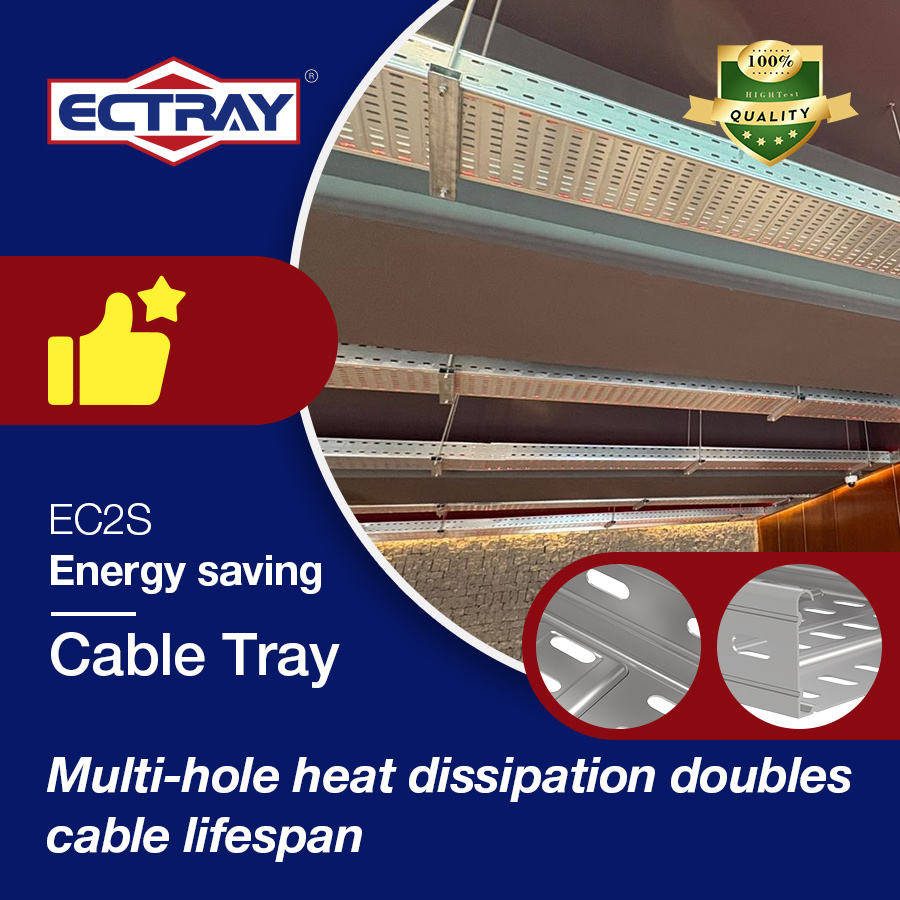
Distinguish occasional humidity from repeated condensation or continuously wet surfaces. Check whether water contains salts or process contaminants and whether the route dries between wetting events.
Evaluate ZM, HDG or a suitable stainless grade against those conditions. A sheltered position may remain damp or retain deposits even when it is protected from direct rain.
For rooftop routes, review rain exposure, drainage, salt or dust deposits, compatibility with mounting components and access for inspection.
ZM and HDG are options to compare using their actual coating specifications. Stainless steel may be appropriate where the exposure or project requirements justify it.
A roof-mounted tray and a shaded tray below solar modules can experience different wetting and drying conditions. Describe the installation location precisely rather than using “outdoor” as the complete specification.
Consider airborne salt, shelter, washing, local humidity and areas where deposits collect. Distance from the sea alone does not describe exposure adequately.
316 stainless steel is one candidate, while coated steel options require evidence relevant to their specified coatings and location. Persistent salt accumulation or severe exposure may require a more specialized assessment.
Identify actual process emissions and cleaning agents before choosing perforated cable tray materials. Include chemical concentration, operating temperature, splash frequency and rinsing arrangements.
Confirm drainage and cleaning access as part of the system design. Perforations provide openings, but blocked holes or poorly arranged components can still retain water and deposits.
Apply the environmental specification to elbows, tees, reducers, splice plates and covers as well as straight trays. Confirm that the components fit the selected system and have suitable mechanical performance.
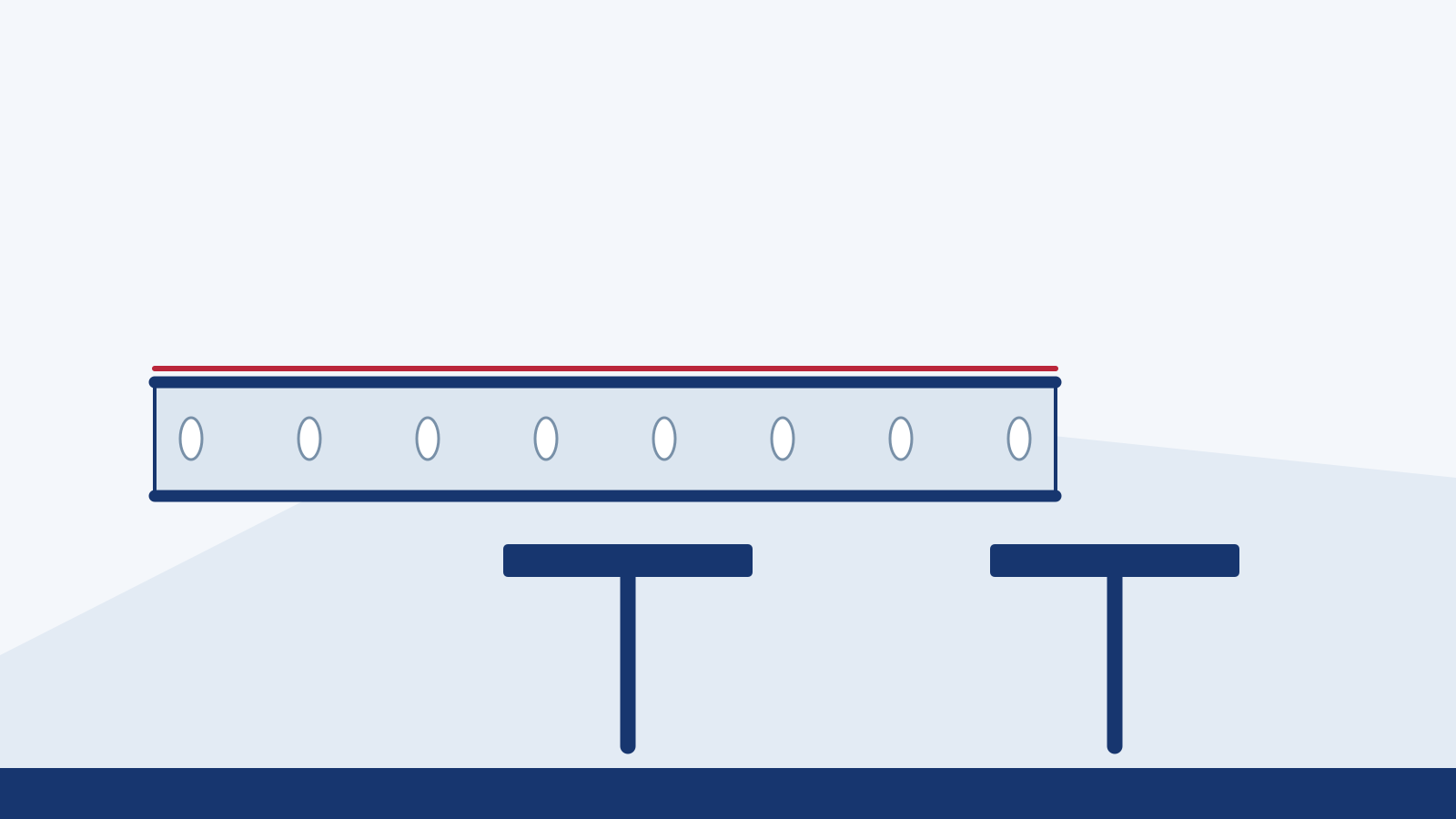
A standard cover can reduce exposure from above, but it does not seal the tray's perforations or establish a watertight, dust-tight or electromagnetic shielding rating. Such performance requires a system specifically designed and assessed for it.
Specify fasteners for strength, coating or grade, connection geometry and exposure. Do not select a bolt solely because its material sounds more corrosion resistant.
Check compatibility across the tray, fastener and support, including the relative exposed areas and likelihood of wetting. Record approved fastening and tightening requirements with the system details.
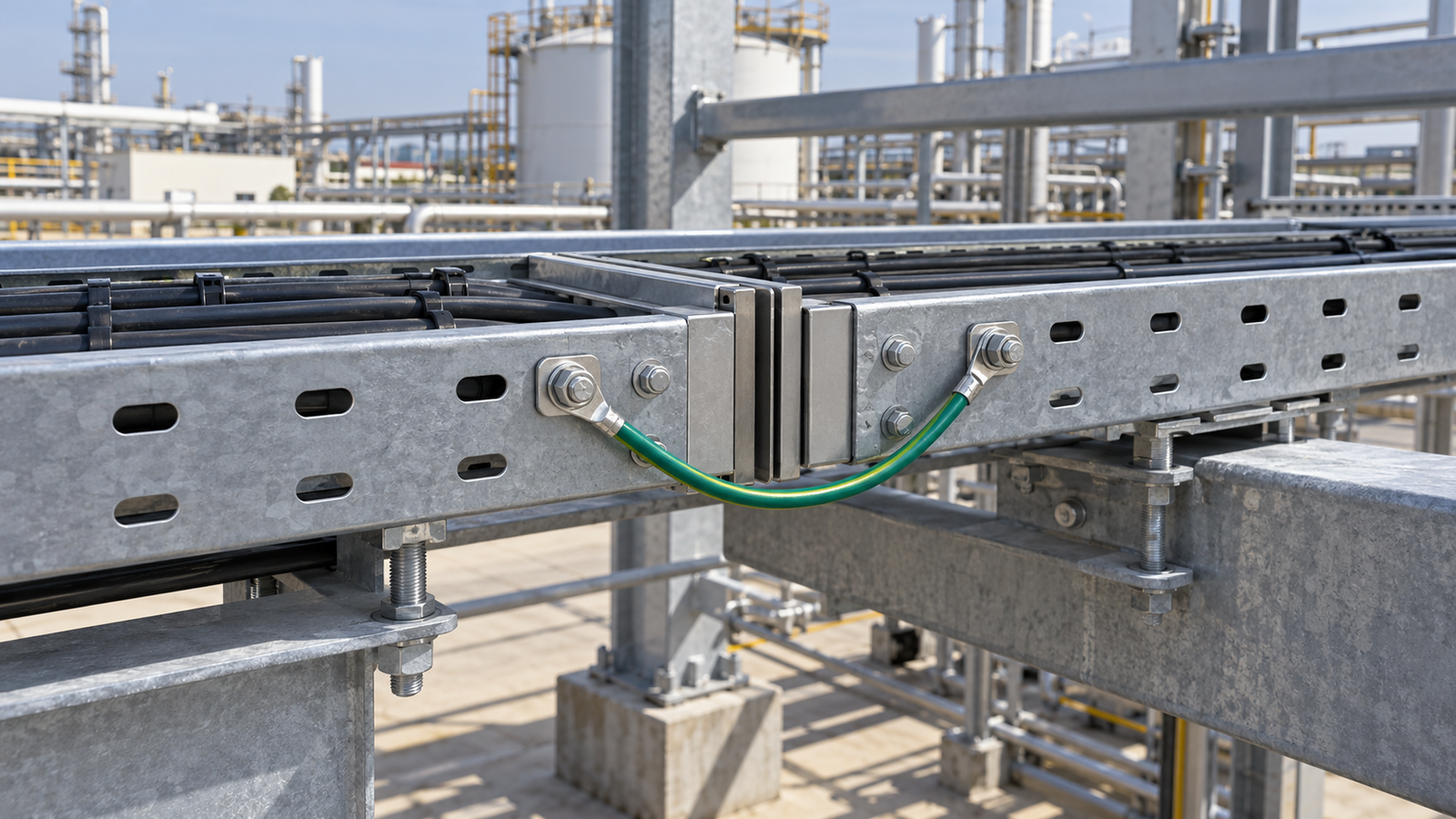
Where different metals contact each other in the presence of an electrolyte, evaluate galvanic corrosion. Isolation measures may be appropriate, but they must be coordinated with electrical bonding requirements.
Follow the system's approved connection details. Do not routinely scrape off protective coatings or add insulating washers without checking how those changes affect corrosion protection and electrical continuity.
Verify the substrate or stainless grade, base metal thickness and applicable material specification. Check that documents can be related to the supplied product or material batch.
For coated steel, identify the coating designation and its mass or thickness. Confirm whether mass is expressed for one face or both faces combined. Values for different coating compositions are not interchangeable simply because they share the same unit.
Where a corrosion test report is supplied, check the method, sample preparation, exposure duration and result criteria. Determine whether edges were exposed, sealed or otherwise treated and whether the specimen represents finished tray material or a flat coupon.
Distinguish observations of coating corrosion products from base steel corrosion. A statement such as “passed 1,000 hours” is incomplete without identifying what constituted a pass.
Salt spray hours cannot be converted directly into outdoor service years. The test environment differs from natural wetting, drying and deposit conditions, and a ranking in salt spray may not reproduce a ranking in service.
Use relevant field data, application guidance and the project exposure assessment alongside laboratory results. Avoid using a single accelerated test to claim that one protection system will always outlast another.The American Galvanizers Association explains the limitations of salt spray testing, including why laboratory results should not be used to predict the outdoor service life of HDG steel.
| Common Mistake | Better Specification Practice |
|---|---|
| Requesting only “galvanized tray” | Identify pre-galvanized sheet or galvanizing after fabrication |
| Treating all ZM products as equivalent | Identify the coating product, designation and mass |
| Assuming a thicker coating always performs better | Compare the protection systems under relevant exposure conditions |
| Selecting stainless steel without a grade | Specify 304, 316 or another assessed grade |
| Ignoring accessories and supports | Apply environmental requirements to the complete system |
| Treating salt spray hours as service years | Review test limitations and relevant service evidence |
| Selecting only by initial price | Include installation, inspection and replacement access |
ECTRAY offers perforated cable tray materials and finishes including ZM, GI, HDG and stainless steel 304/316. Share the installation environment, coating requirements and structural specifications to help identify an appropriate configuration.
For a useful technical review and quotation, provide:
Where the finish has not been decided, include the exposure details so the available options can be compared on the same basis.
Send ECTRAY your BOQ, installation drawings and environmental requirements for material and finish selection support.
In this guide, GI trays are made from steel sheet galvanized before fabrication. HDG trays are galvanized after fabrication, allowing accessible fabricated edges and hole surfaces to receive the coating. The specified coating and site exposure remain essential to selection.
ZM means zinc-aluminum-magnesium. It describes a metallic coating on steel, not a zinc-manganese tray material. The specific coating composition and mass should be identified in the product documentation.
No. Substitution requires checking the proposed coating, exposure conditions, field modification guidance and project specification. A project calling for galvanizing after fabrication may require approval of an alternative.
316 generally offers greater resistance to chloride-related localized corrosion, but suitability depends on the actual environment. For an appropriate dry or mild location, 304 may meet the requirement. Severe chemical or chloride exposure can exceed the capability of either grade.
No single rule applies to every protection system. Follow the guidance for the actual coating, thickness and exposure. ZM cut-edge behaviour, GI edge protection and repair of post-galvanizing HDG cuts should be assessed separately.
Powder coating may be specified where colour identification or appearance is required. Confirm the substrate, preparation, coating chemistry and intended exposure. An indoor powder formulation should not automatically be assumed suitable for prolonged outdoor weathering.
Evaluate ZM, HDG and suitable stainless grades against the rooftop exposure, project requirements and maintenance access. Include the supports, fasteners and mounting interfaces in the review rather than choosing the tray finish alone.
No. Laboratory hours describe performance under the stated test conditions. They do not provide a direct service-life prediction or a universal comparison between different coating systems.

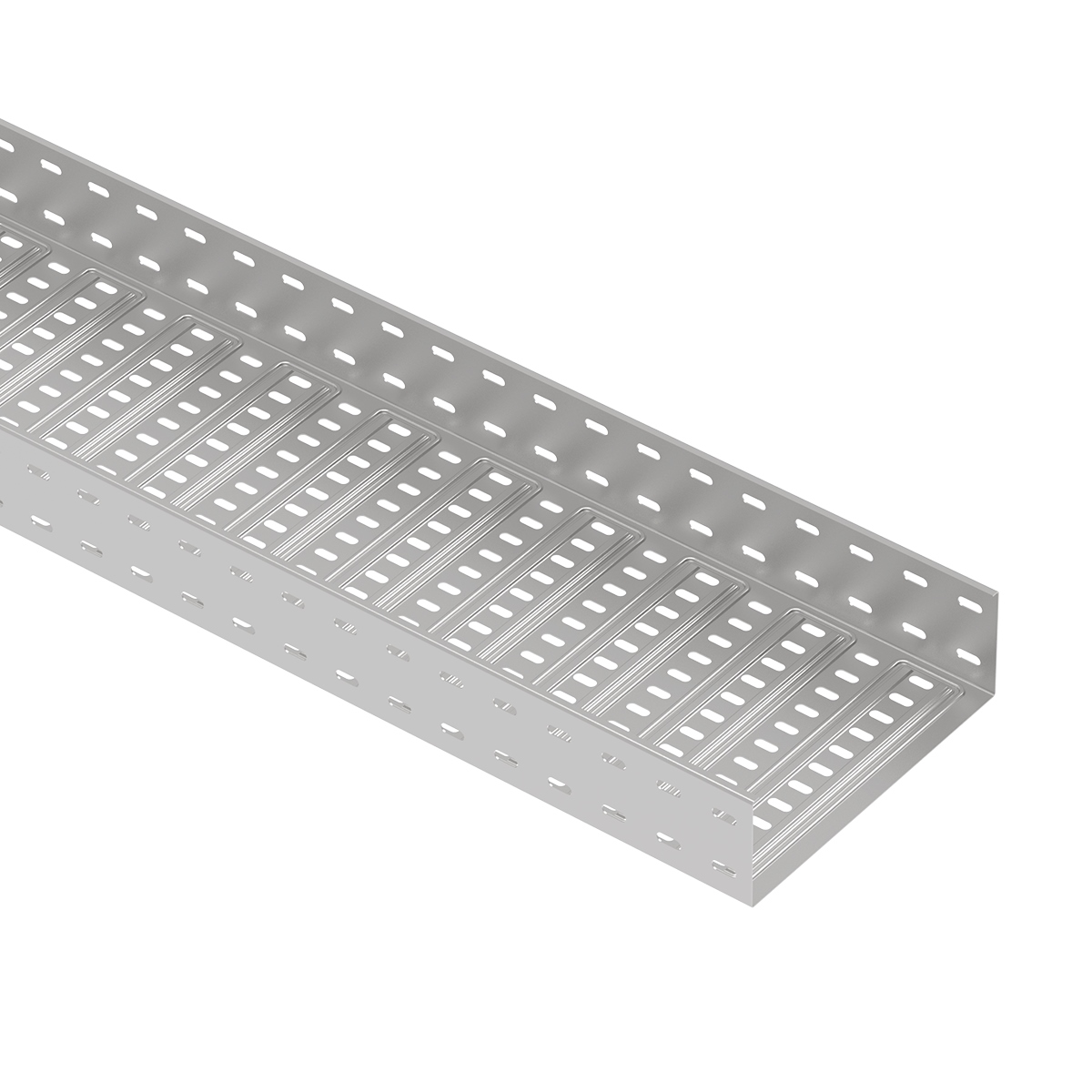
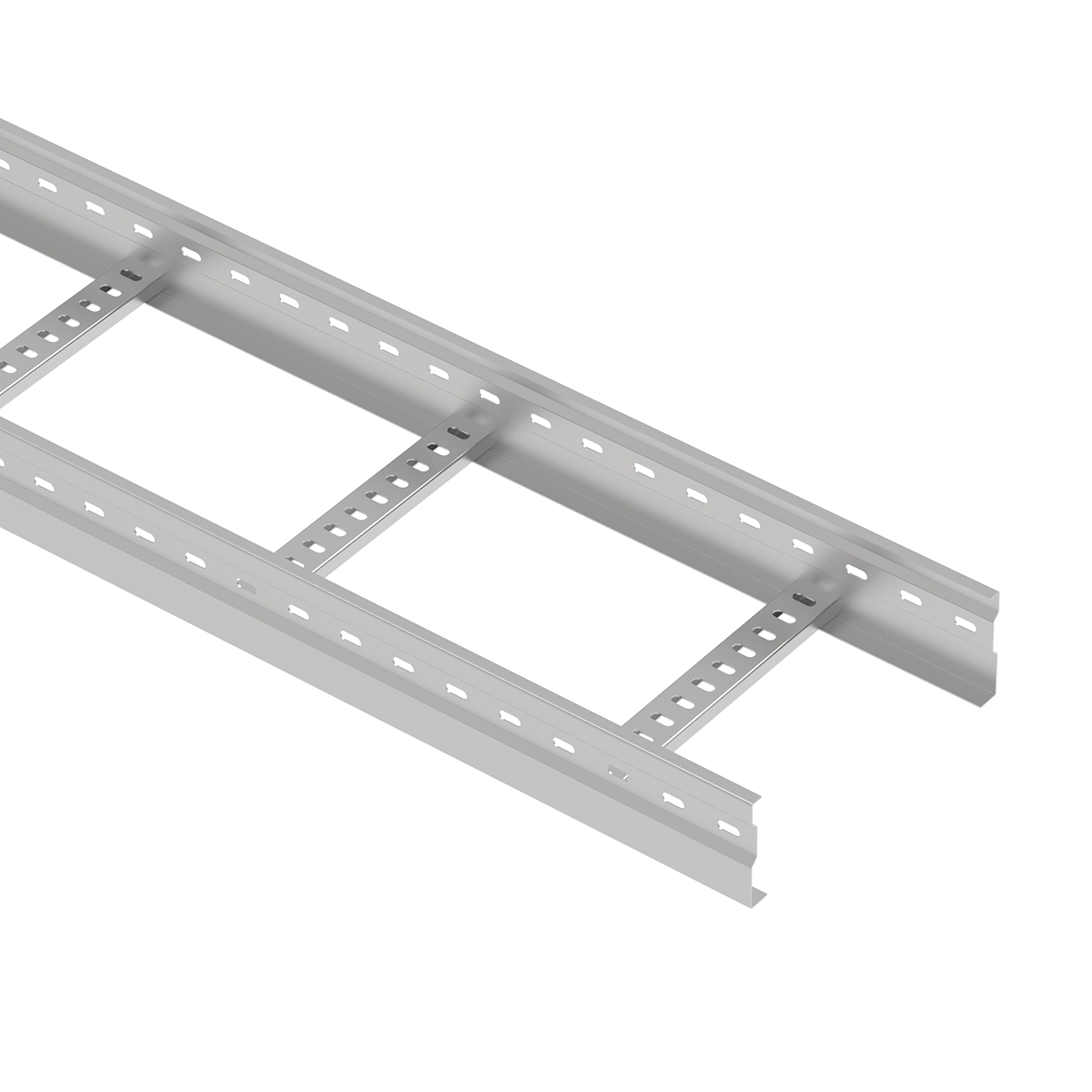
[…] For a broader comparison of ZM, GI, HDG and stainless steel, see our guide to perforated cable tray materials and finishes. […]